Bedroom plants aren’t just a trendy décor choice—they’ve become a must-have for anyone looking to boost their mood, improve air quality, and bring a touch of nature indoors. In 2026, more people are realizing that the right bedroom plants can transform your space into a relaxing, energizing sanctuary.
In this guide, we’ll explore 7 bedroom plants everyone loves right now, from easy-care favorites to statement plants that instantly elevate any room. You’ll also get expert tips on care, styling, and choosing the best plant for your space. Whether you’re a beginner or a seasoned plant parent, these ideas will help you create a bedroom that’s both beautiful and healthy.
Benefits of Bedroom Plants
Adding bedroom plants to your space does more than decorate—it improves health, mood, and sleep. Here are the top benefits:
- Purify the Air – Bedroom plants like snake plants and peace lilies remove toxins, improving indoor air quality.
- Reduce Stress & Boost Mood – Simply seeing greenery lowers stress and creates a calming atmosphere.
- Improve Sleep Quality – Some plants, such as lavender or jasmine, naturally promote relaxation and better rest.
- Elevate Bedroom Style – Plants add color, texture, and life, making your bedroom feel fresh and inviting.
- Easy Styling Tip – Mix small and tall plants for depth, or hang trailing plants for a modern look.
How to Choose the Right Bedroom Plant?
Choosing the perfect bedroom plant depends on your space, light, and lifestyle. Here’s a simple guide:
Check Your Light Levels
- Low-light bedrooms: Snake plant, ZZ plant, pothos
- Bright bedrooms: Fiddle leaf fig, peace lily, aloe vera
Consider Your Space
- Small bedrooms: Compact plants, hanging planters, or tabletop greenery
- Large bedrooms: Tall floor-standing plants or statement corner pieces
Match Your Maintenance Style
- Low-maintenance: ZZ plant, snake plant, pothos (perfect for beginners)
- Medium-care: Peace lily, aloe vera, spider plant (needs occasional attention)
Decide Your Plant Purpose
- Air purification: Snake plant, peace lily, spider plant
- Sleep & relaxation: Lavender, jasmine, aloe vera
- Aesthetic impact: Fiddle leaf fig, monstera, trailing pothos
Pro Tip
Mix plants with different shapes, heights, and textures for a layered, visually appealing bedroom
The 7 Bedroom Plants Everyone Loves Right Now
Here’s a detailed look at the most popular bedroom plants, why people love them, and how to care for them:
Snake Plant (Sansevieria)
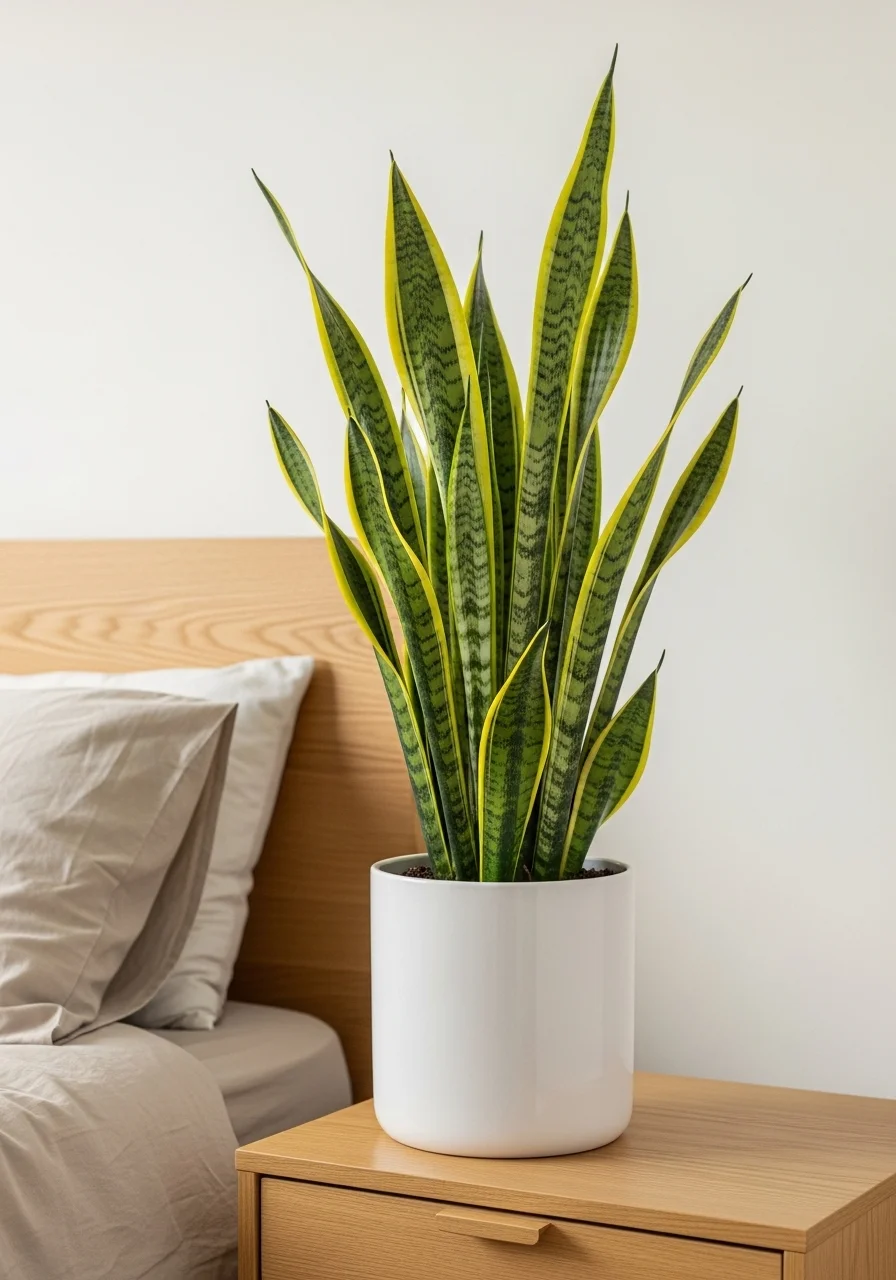
The Snake Plant, also known as Sansevieria, is one of the most beloved bedroom plants today, and for good reason. Its tall, upright leaves with striking patterns instantly add a modern, architectural feel to any bedroom. Beyond its visual appeal, the Snake Plant is incredibly low-maintenance, making it perfect for beginners or anyone with a busy lifestyle. It’s highly tolerant of low-light conditions but can also thrive in bright, indirect sunlight, which means it can fit almost any bedroom environment.
One of the standout benefits of the Snake Plant is its air-purifying qualities. It naturally filters out toxins like formaldehyde and benzene, helping improve indoor air quality and contributing to a healthier sleep environment. Unlike many other plants, it also continues to produce oxygen at night, making it ideal for bedrooms.
Caring for a Snake Plant is simple. Water sparingly, allowing the soil to dry completely between waterings to prevent root rot. Overwatering is the most common mistake, so less is more. It also requires minimal pruning—simply remove any damaged or yellow leaves to keep it looking its best.
Styling with a Snake Plant is effortless. It works well in corners, beside a bed, or even on narrow shelves. Its bold vertical leaves complement modern, minimalist, Scandinavian, or even boho bedroom designs. For added flair, try pairing it with decorative pots, or place it in a group with smaller succulents for a layered, lush look.
In short, the Snake Plant combines beauty, resilience, and health benefits, making it a must-have for anyone looking to create a calm, stylish, and healthy bedroom space.
Peace Lily (Spathiphyllum)
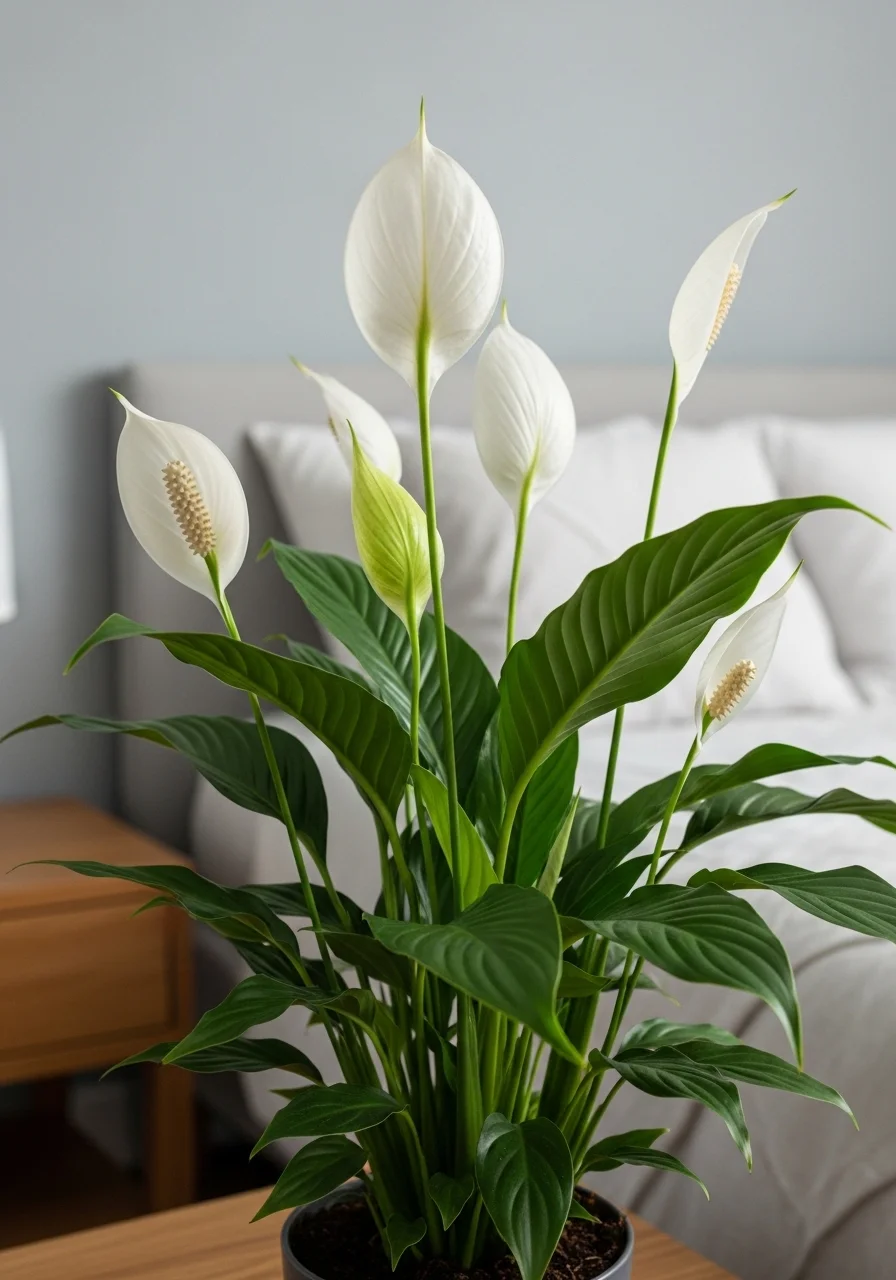
The Peace Lily is a favorite among bedroom plant enthusiasts for its elegant appearance and air-purifying benefits. Its glossy, dark green leaves and delicate white blooms bring a touch of sophistication and serenity to any bedroom. Beyond aesthetics, the Peace Lily is highly valued for improving indoor air quality, as it removes harmful toxins like benzene, formaldehyde, and trichloroethylene. This makes it not only a beautiful decorative plant but also a contributor to a healthier sleeping environment.
Caring for a Peace Lily is relatively easy. It thrives in medium to bright indirect light, though it can tolerate lower light conditions, making it versatile for different bedroom layouts. The soil should be kept consistently moist but never soggy. Overwatering can harm the roots, so allow the top layer of soil to dry slightly between waterings. Fertilizing monthly during the growing season can encourage more blooms and maintain vibrant foliage.
In terms of styling, Peace Lilies are incredibly adaptable. They work beautifully on bedside tables, plant stands, or even as a floor plant in a decorative pot. Their elegant blooms can create a calming focal point, especially when paired with other greenery or minimalist bedroom décor. For those who love a mix of textures, combining a Peace Lily with trailing plants like pothos or small succulents can create a lush, layered effect.
The Peace Lily is a perfect choice for anyone looking for a stylish, low-maintenance plant that enhances air quality and adds a calming presence to the bedroom. Its combination of beauty, ease of care, and wellness benefits makes it one of the most loved bedroom plants right now.
Pothos (Epipremnum aureum)
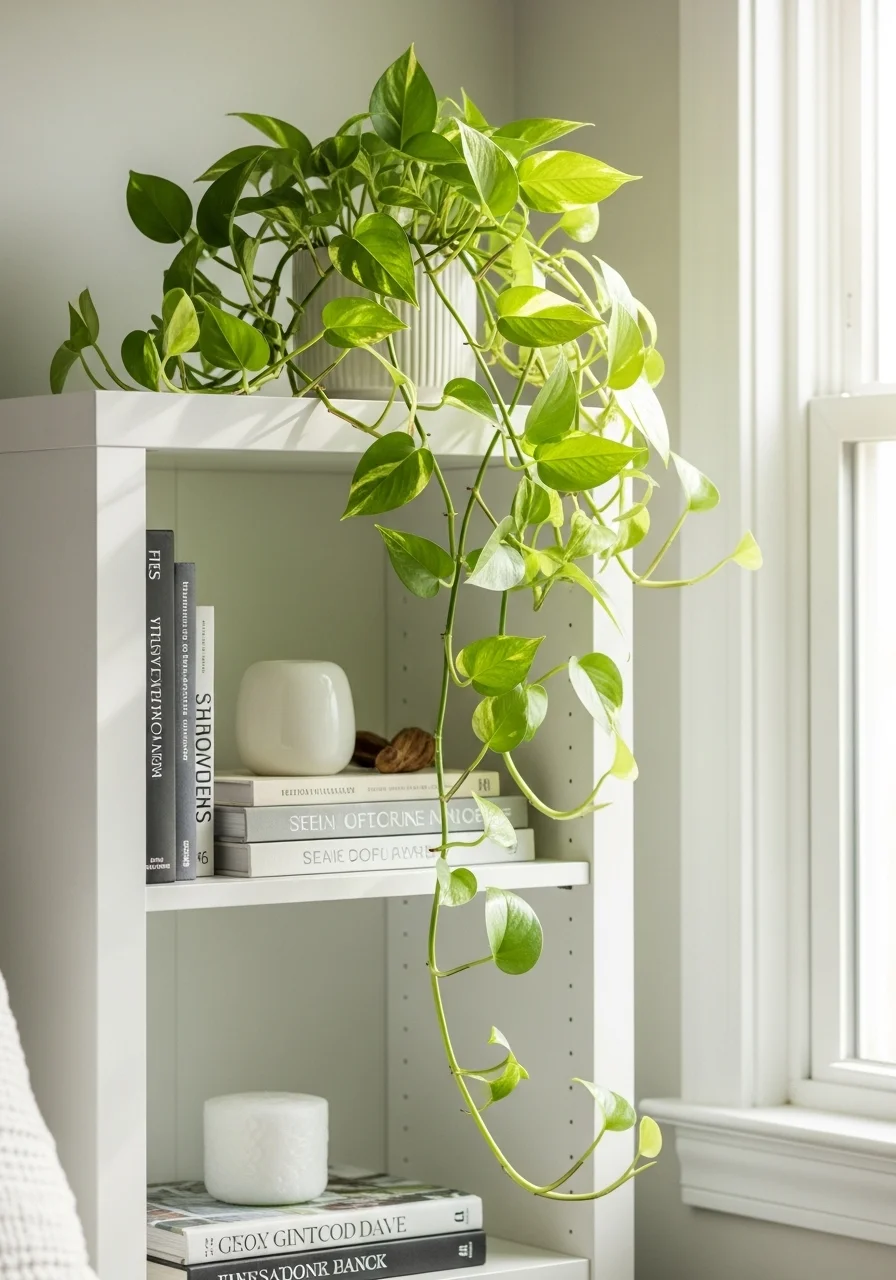
Pothos, also known as Devil’s Ivy, is one of the most popular bedroom plants due to its versatility, fast growth, and forgiving nature. Its trailing vines with heart-shaped leaves bring a touch of natural elegance to any room, making it perfect for shelves, hanging baskets, or even wall-mounted planters. Pothos is especially loved because it thrives in a variety of lighting conditions—from low-light corners to bright, indirect sunlight—making it ideal for nearly any bedroom setting.
One of the major benefits of Pothos is its air-purifying ability. It naturally filters toxins such as formaldehyde, xylene, and toluene, helping to improve indoor air quality and create a healthier environment. This makes it a practical choice for bedrooms where clean air is essential for better sleep and overall well-being.
Caring for Pothos is simple, even for beginners. Water the plant when the top inch of soil feels dry, and avoid letting the roots sit in water. It grows quickly, so regular pruning will keep it looking neat and encourage fuller growth. Pothos can also be propagated easily by cutting stems and placing them in water or soil, allowing you to expand your plant collection effortlessly.
Styling with Pothos is fun and flexible. Let the vines trail naturally from shelves or plant stands for a cascading effect, or train them along walls or curtain rods for a creative, modern look. It pairs well with other indoor plants, creating a layered, lush aesthetic in the bedroom.
With its easy care, fast growth, and trailing beauty, Pothos is a top choice for anyone who wants a low-maintenance, stylish, and health-boosting bedroom plant.
ZZ Plant (Zamioculcas zamiifolia)
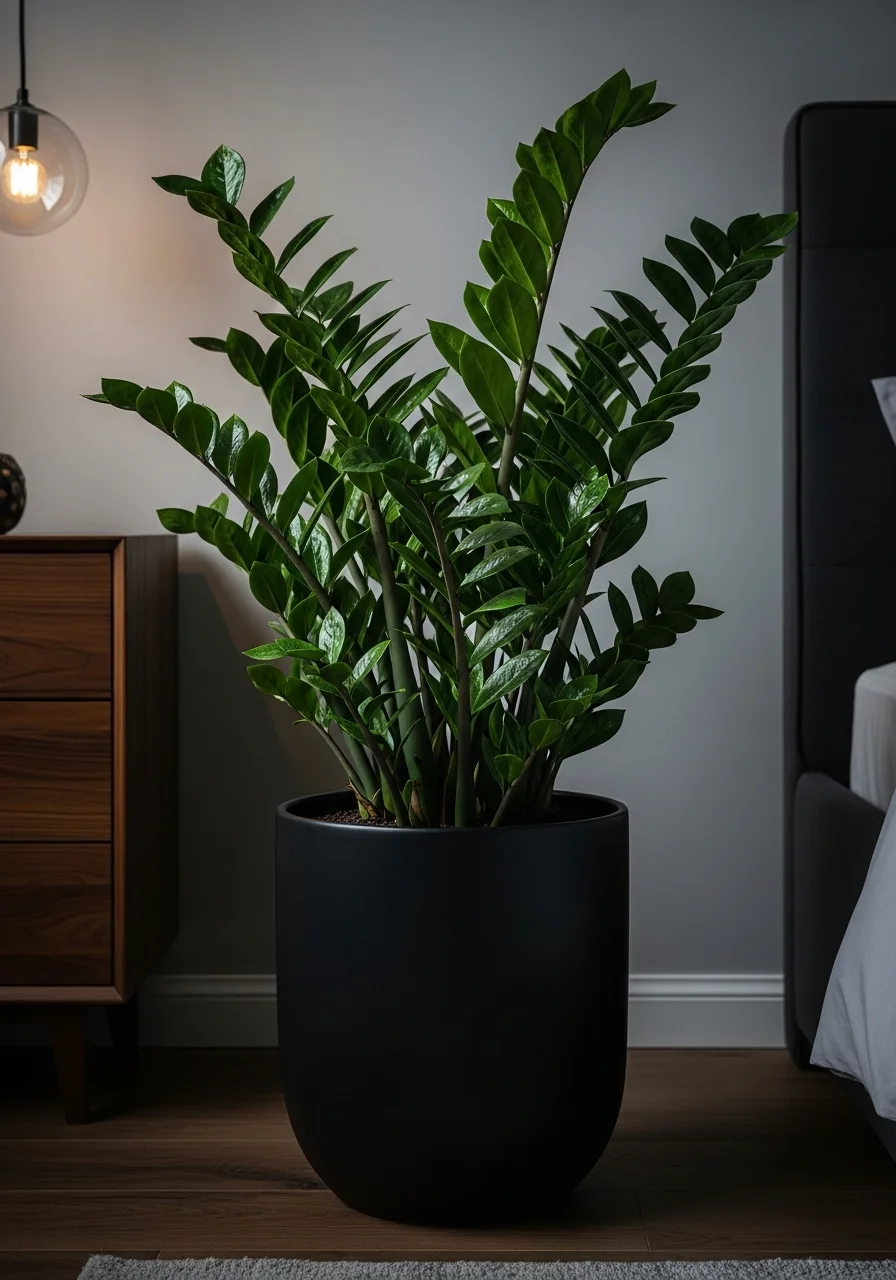
The ZZ Plant is a favorite for bedrooms because of its striking, waxy green leaves and extremely low-maintenance nature. Its smooth, glossy foliage adds a touch of sophistication to any space, while its upright growth habit makes it perfect for corners, shelves, or floor placement. ZZ Plants are particularly popular among busy individuals or beginners, as they tolerate neglect, low light, and irregular watering better than almost any other indoor plant.
One of the standout benefits of the ZZ Plant is its resilience. It thrives in low to moderate indirect light, making it suitable for bedrooms without direct sunlight. It’s also drought-tolerant, meaning watering only once every few weeks is often enough. Overwatering should be avoided, as the plant’s roots can rot if left in soggy soil. Despite its toughness, the ZZ Plant still enhances air quality, subtly filtering toxins and promoting a healthier indoor environment.
Caring for a ZZ Plant couldn’t be easier. Place it in indirect light, water sparingly, and occasionally wipe its leaves to remove dust. Its slow growth means it retains a neat, tidy appearance without frequent pruning, making it perfect for a stylish, low-effort bedroom greenery addition.
For styling, ZZ Plants work beautifully as statement plants. Their bold, architectural leaves make them ideal for floor placement in corners or next to furniture. They also pair well with smaller plants for layered arrangements or with decorative pots for a modern aesthetic.
The ZZ Plant combines durability, elegance, and low-maintenance care, making it an excellent choice for anyone seeking a stylish and resilient bedroom plant that continues to enhance both décor and indoor air quality.
Fiddle Leaf Fig (Ficus lyrata)

The Fiddle Leaf Fig is one of the most iconic bedroom plants, famous for its large, glossy, violin-shaped leaves that instantly make a bold statement in any room. Its dramatic presence and architectural shape have made it a favorite among interior designers and plant enthusiasts alike. While it requires a bit more attention than some low-maintenance plants, the visual impact it brings to a bedroom is unmatched.
One of the main benefits of the Fiddle Leaf Fig is its aesthetic value. Its tall stature and expansive leaves create a focal point, adding a sense of luxury and style to your bedroom. It also contributes to indoor air quality by absorbing toxins, making your sleeping environment cleaner and more refreshing.
Caring for a Fiddle Leaf Fig requires a few key considerations. It thrives in bright, indirect light and can tolerate some direct sunlight, but sudden changes in light or temperature can stress the plant. Water it consistently, keeping the soil slightly moist but not soggy, and ensure proper drainage to prevent root rot. Regularly dust the leaves to allow maximum photosynthesis and to keep it looking vibrant.
For styling, the Fiddle Leaf Fig works best as a floor-standing statement plant, especially in corners or near windows. Pairing it with smaller indoor plants can create a layered, lush look. Decorative pots or plant stands can enhance their visual appeal, complementing modern, minimalist, or boho bedroom designs.
The Fiddle Leaf Fig is perfect for anyone looking to add drama, elegance, and greenery to their bedroom. While it needs a bit more care than beginner-friendly plants, the combination of beauty, presence, and air-purifying benefits makes it one of the most loved bedroom plants today.
Spider Plant (Chlorophytum comosum)

The Spider Plant is a classic favorite for bedrooms, celebrated for its graceful arching leaves and tiny “spiderettes” that dangle from long stems. Its playful, cascading appearance adds movement and texture to any space, making it ideal for shelves, hanging baskets, or bedside tables. Spider Plants are also highly forgiving, thriving in a variety of light conditions and tolerating occasional neglect, which makes them perfect for beginners and busy plant parents alike.
One of the standout benefits of the Spider Plant is its air-purifying ability. It naturally removes toxins such as formaldehyde and xylene, helping to clean the air and create a healthier sleeping environment. Its rapid growth means it can quickly fill a space with greenery, bringing life and vibrancy to even the simplest bedroom décor.
Caring for a Spider Plant is straightforward. It prefers bright, indirect light but can tolerate partial shade. Water moderately, allowing the soil to dry slightly between waterings, and avoid waterlogging the roots. During the growing season, fertilize monthly to encourage healthy foliage and the production of new “spiderettes,” which can be propagated to grow new plants.
For styling, the Spider Plant is incredibly versatile. Hanging baskets showcase their cascading leaves beautifully, while placing it on a shelf or table allows the “spiderettes” to trail down naturally. It pairs well with other indoor plants for a layered, lush effect or can stand alone as a charming accent.
With its playful appearance, easy care, and air-cleaning properties, the Spider Plant is a perfect choice for bedrooms, adding both greenery and energy to the space while requiring minimal maintenance.
Aloe Vera

Aloe Vera is more than just a bedroom plant—it’s a practical, medicinal, and visually appealing succulent that has become a staple for plant lovers. Its thick, fleshy leaves store water, making it extremely low-maintenance and perfect for beginners. Beyond its aesthetic charm, Aloe Vera offers natural remedies for minor burns, skin care, and general wellness, making it both decorative and functional.
One of the key benefits of Aloe Vera in the bedroom is its ability to improve air quality and create a calming environment. Like many succulents, it releases oxygen at night, which can support better sleep and a fresher indoor atmosphere. Its compact size makes it ideal for nightstands, windowsills, or small shelves, making it versatile even for limited bedroom spaces.
Caring for Aloe Vera is simple but requires attention to a few key factors. It thrives in bright, indirect sunlight and well-draining soil. Water sparingly, allowing the soil to dry completely between waterings, as overwatering can easily damage the roots. Aloe Vera is drought-tolerant, so it’s perfect for anyone who occasionally forgets to water their plants.
For styling, Aloe Vera works beautifully as a standalone plant or in clusters with other succulents. Its sculptural, spiky leaves add texture and modern appeal to any bedroom décor. Small decorative pots or ceramic containers can enhance its natural beauty and blend seamlessly with minimalist, modern, or boho design styles.
With its combination of low maintenance, air-purifying benefits, and practical uses, Aloe Vera is a must-have bedroom plant for anyone looking to combine beauty, wellness, and functionality in their personal space.
Bedroom Plant Styling Ideas
Incorporating bedroom plants into your space isn’t just about placing them anywhere—it’s about creating a balanced, calming, and visually appealing environment. With the right styling, your plants can enhance both the aesthetic and the functionality of your bedroom.
Layering Plants for Depth: Mix different sizes, shapes, and heights of bedroom plants to create a layered look. Place taller plants like Fiddle Leaf Figs or ZZ Plants in corners, while smaller plants such as Aloe Vera or Spider Plants can sit on shelves, nightstands, or windowsills. Layering adds visual interest and makes the room feel lush without overcrowding the space.
Hanging and Trailing Plants: Hanging plants are perfect for small bedrooms where floor space is limited. Trailing plants like Pothos or Spider Plants can cascade beautifully from shelves, wall-mounted planters, or ceiling hooks. This not only adds greenery but also softens hard edges in the room, creating a cozy, organic atmosphere.
Grouping for Visual Impact: Grouping several indoor plants can create a mini indoor jungle. Combine air-purifying plants like Peace Lilies with low-maintenance plants like Snake Plants to achieve a mix of beauty and functionality. Use decorative pots in coordinating colors or textures to unify the look.
Balancing with Bedroom Décor: When styling bedroom plants, consider your room’s overall theme. Modern minimalist bedrooms pair well with sleek Snake Plants or ZZ Plants, while boho or eclectic styles can embrace the trailing vines of Pothos or the sculptural leaves of Aloe Vera. Placing plants near natural light sources ensures they thrive while becoming a natural focal point.
Practical Styling Tips:
- Avoid overcrowding; let each plant have breathing room.
- Use plant stands or multi-level shelving to elevate smaller plants.
- Rotate plants occasionally to ensure even light exposure.
- Mix textures: smooth leaves, spiky succulents, and cascading vines for visual interest.
By thoughtfully styling bedroom plants, you create not just a green oasis but also a space that supports relaxation, improves air quality, and reflects your personal style. The right combination of placement, layering, and décor harmony ensures your bedroom feels inviting, vibrant, and alive.
Common Mistakes & Care Tips for Bedroom Plants
Even the most resilient bedroom plants can struggle if they’re not given the right care. Understanding common mistakes and how to avoid them is key to keeping your plants healthy, vibrant, and long-lasting.
Overwatering: One of the biggest mistakes with bedroom plants is overwatering. Many plants, like Snake Plants and ZZ Plants, prefer dry soil and can suffer root rot if watered too often. Always check the soil before watering and allow it to dry slightly between sessions. Succulents, such as Aloe Vera, require even less water, so adjust based on the plant type.
Insufficient or Excess Light: Placing bedroom plants in areas without enough natural light can stunt growth or cause leaves to yellow. Conversely, direct sunlight can scorch delicate plants like Peace Lilies. Understand your bedroom’s light levels and choose plants accordingly: low-light tolerant plants for dim spaces, and bright indirect light for plants like Fiddle Leaf Figs or Aloe Vera.
Neglecting Cleaning & Maintenance: Dust and debris can block sunlight and reduce a plant’s ability to photosynthesize. Regularly wipe the leaves of indoor bedroom plants with a damp cloth. Remove dead or yellow leaves to encourage healthy growth and maintain visual appeal.
Ignoring Plant Placement: The location of your bedroom plants affects their growth. Avoid placing plants in drafty areas or near heating/cooling vents. Rotate plants occasionally to ensure even light exposure and maintain balanced growth.
Not Using Proper Pots or Soil: Plants need well-draining soil and containers with drainage holes to thrive. Using decorative pots without drainage can trap water and harm roots. For indoor bedroom plants, select pots that match your décor but also provide proper functionality.
Pro Tips for Thriving Bedroom Plants:
- Group plants with similar care needs together for easier maintenance.
- Fertilize during the growing season to boost growth.
- Observe your plants daily; early detection of stress or pests prevents long-term issues.
- Consider companion plants that enhance aesthetics and air quality simultaneously.
By avoiding these common mistakes and following simple care tips, your bedroom plants will not only survive but thrive. Proper attention ensures they continue to purify the air, boost your mood, and enhance the overall ambiance of your bedroom.
FAQs
1. What are the best low-light bedroom plants?
Low-light bedroom plants like Snake Plants, ZZ Plants, and Pothos thrive in minimal sunlight. These plants are ideal for rooms with little natural light and require minimal care while still improving air quality.
2. Which bedroom plants improve sleep?
Plants like Lavender, Aloe Vera, and Peace Lily promote relaxation and better sleep. Lavender releases a calming scent, while Aloe Vera and Peace Lily improve air quality, contributing to a healthier sleeping environment.
3. How often should I water bedroom plants?
Watering frequency depends on the plant type. Succulents like Aloe Vera require watering only every 2–3 weeks, while tropical plants like Peace Lily prefer consistently moist soil. Always check the top layer of soil before watering to avoid overwatering.
4. Can bedroom plants help purify the air?
Yes! Many indoor plants, including Snake Plants, Spider Plants, and Peace Lilies, naturally filter toxins like formaldehyde, benzene, and xylene, improving indoor air quality and creating a healthier bedroom environment.
5. What are the easiest bedroom plants for beginners?
Beginner-friendly bedroom plants include Snake Plants, ZZ Plants, Pothos, and Aloe Vera. These plants are low-maintenance, hardy, and resilient, making them perfect for people new to indoor gardening.
Conclusion
Adding the right bedroom plants can completely transform your space, making it not only more beautiful but also healthier and more relaxing. From low-maintenance favorites like Snake Plants and ZZ Plants to statement pieces like the Fiddle Leaf Fig, each plant brings unique benefits—air purification, stress reduction, better sleep, and a natural boost to your bedroom décor.
By choosing plants suited to your light, space, and lifestyle, and styling them thoughtfully with layering, hanging baskets, or group arrangements, you can create a green oasis that enhances both aesthetics and well-being. Remember to avoid common mistakes such as overwatering or poor placement, and follow care tips to ensure your bedroom plants thrive for years to come.
Whether you’re a beginner or a seasoned plant lover, incorporating these 7 beloved bedroom plants into your space will bring freshness, tranquility, and life to your bedroom. Start with one plant or mix and match to create a personalized indoor jungle that suits your style and supports a healthier living environment.

Shahid Nawaz is a home and garden content writer at Garden Skillz with over 4 years of experience researching and writing about gardening, plant care, and DIY home improvement. He specializes in turning complex horticultural topics into practical, easy-to-follow guides for beginners and experienced growers alike. Shahid has written extensively on flowering plants, indoor greenery, and seasonal garden care.