Your bathroom deserves more than plain, boring walls. If you have been staring at dull tiles or bare surfaces every morning, a bathroom backsplash might be exactly what your space needs.
A bathroom backsplash is a water-resistant decorative panel installed behind sinks, vanities, or bathtubs to protect walls from moisture while adding a stunning visual element to your bathroom design.
What is a bathroom backsplash? A bathroom backsplash is a protective and decorative wall covering, typically made from tile, stone, glass, or other waterproof materials, installed to shield walls from water damage and humidity.
Whether you are planning a full bathroom renovation or simply looking for a quick bathroom wall decor upgrade, the right backsplash can completely transform how your space looks and feels.
In this guide, you will discover 9 breathtaking bathroom backsplash design ideas that work for every style, budget, and skill level, from timeless subway tiles to bold geometric patterns and luxurious stone slabs.
What Is a Bathroom Backsplash & Why Do You Need One?
Before exploring the most breathtaking bathroom backsplash design ideas, it is important to understand what a bathroom backsplash actually does and why it is one of the smartest investments you can make in your home.
The Functional Role of a Bathroom Backsplash
Water is the biggest enemy of your bathroom walls. Every time you wash your hands, brush your teeth, or use the sink, water splashes onto the surrounding walls. Over time, this constant moisture exposure leads to mold growth, paint peeling, and permanent wall damage.
A bathroom backsplash acts as a protective moisture barrier between your walls and daily water exposure. It is easy to wipe clean, highly durable, and built to handle humid bathroom conditions without deteriorating.
The Aesthetic Role of a Bathroom Backsplash
Beyond protection, a bathroom backsplash ties your entire bathroom design together. It adds color, texture, and personality to what is often the most overlooked surface in the room. A well-chosen vanity backsplash can make a small bathroom feel larger, a plain bathroom feel luxurious, and an outdated bathroom feel completely refreshed.
Where Is a Bathroom Backsplash Installed?
A bathroom backsplash is commonly installed in these areas:
- Behind the vanity and sink
- Above the bathtub
- Along the shower wall panel area
- Behind freestanding sinks
According to professional tile installers, a backsplash should extend at least 4 to 6 inches above the sink or countertop to provide adequate wall moisture barrier protection.
9 Breathtaking Bathroom Backsplash Design Ideas
Now that you know what a bathroom backsplash is and why you need one, it is time to explore the most breathtaking design ideas available today. Whether you prefer classic elegance, modern minimalism, or bold artistic expression, there is a perfect bathroom backsplash idea waiting for you.
Idea 1: Classic Subway Tile Bathroom Backsplash
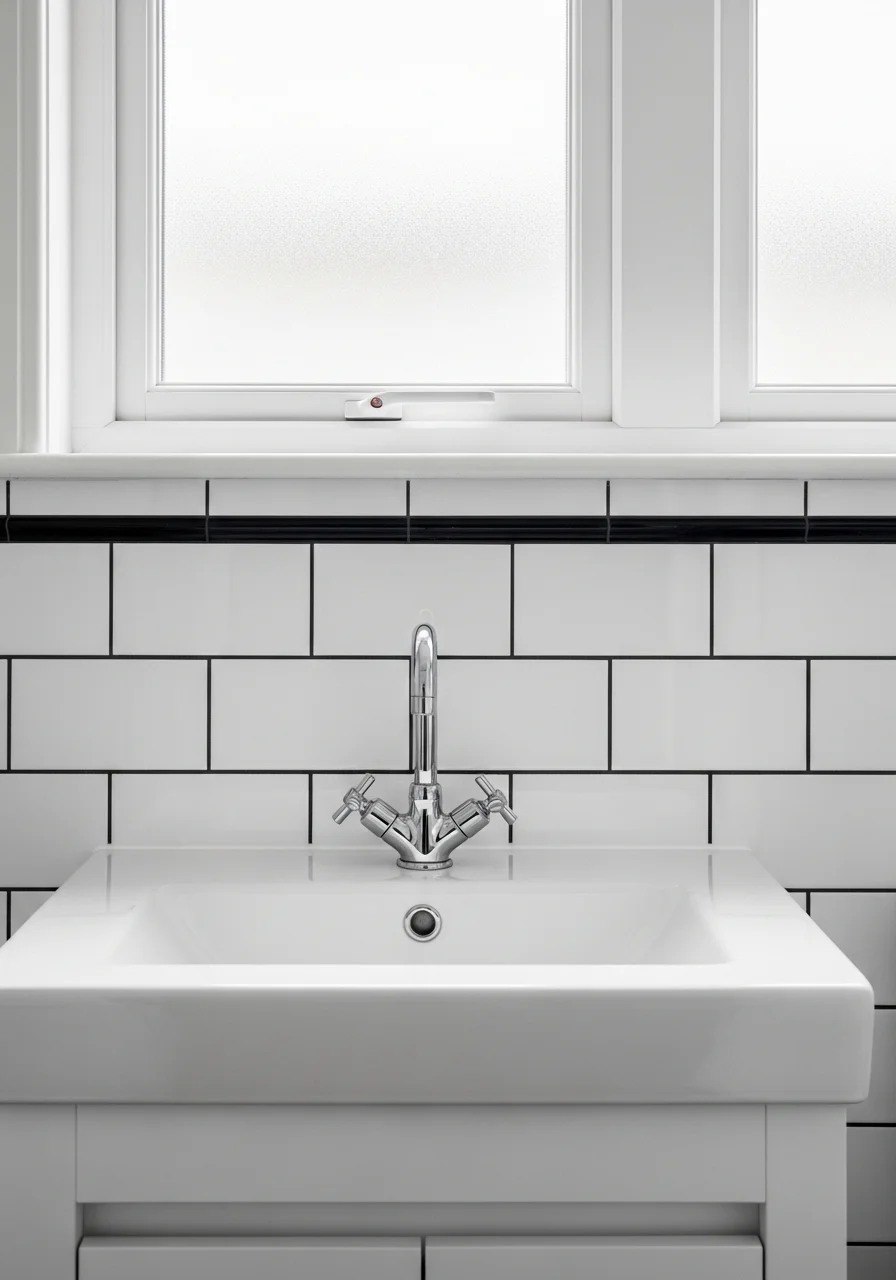
When it comes to bathroom backsplash design, nothing beats the timeless appeal of subway tile. First introduced in the early 1900s in New York City subway stations, this simple rectangular tile has stood the test of time and remains one of the most popular bathroom wall decor choices today.
Why Subway Tile Never Goes Out of Style
Subway tile works because of its simplicity. Its clean lines, smooth surface, and neutral color palette complement virtually every bathroom style, from traditional to contemporary. Whether your bathroom features warm wood tones, cool chrome fixtures, or bold accent colors, a white subway tile bathroom backsplash blends in effortlessly.
Best Grout Colors to Pair With Subway Tile
The grout color you choose can completely change the look of your subway tile bathroom backsplash. Here are the most popular combinations:
- White grout with white tile for a seamless, clean look
- Dark charcoal grout with white tile for bold contrast
- Beige grout with cream tile for a warm, vintage feel
- Black grout with black tile for a dramatic modern statement
Cost and DIY Friendliness
Subway tile is one of the most budget-friendly bathroom backsplash options available. It typically costs between $2 and $10 per square foot, making it accessible for almost any renovation budget. It is also one of the easiest tiles to install, making it a favorite choice for confident DIY homeowners.
Pro Tip: Use dark grout with white subway tiles to create a striking contrast that hides staining and adds visual depth to your bathroom backsplash.
Idea 2: Marble and Stone Bathroom Backsplash
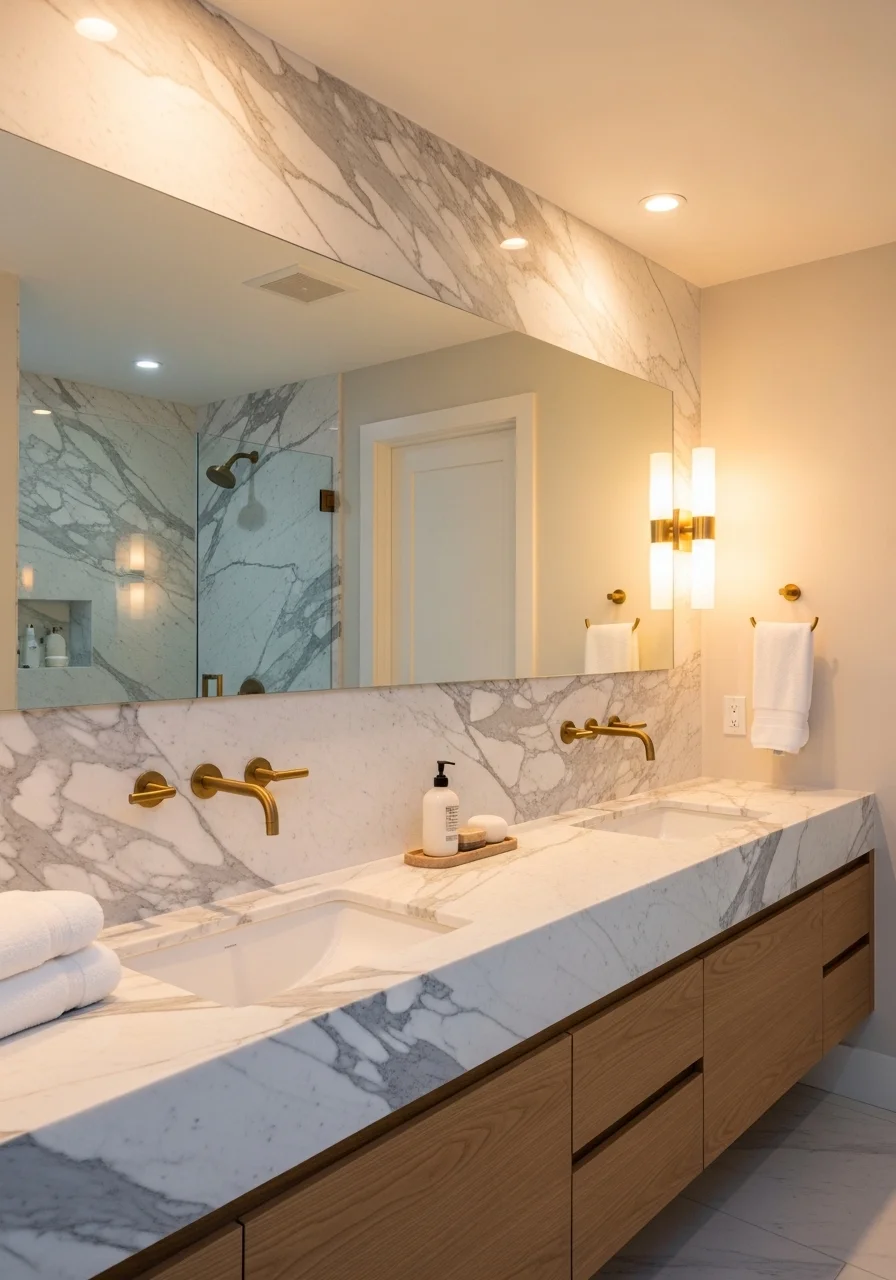
If you want your bathroom to feel like a five-star spa, a marble and stone bathroom backsplash is the ultimate luxury upgrade. Natural stone brings an organic elegance to bathroom design that no manufactured material can fully replicate.
The Luxury Appeal of Natural Stone
Marble has been a symbol of wealth and refinement for centuries. Its unique veining patterns mean that no two marble bathroom backsplashes are ever exactly alike. Each slab tells its own story, giving your bathroom a one-of-a-kind character that simply cannot be copied.
Marble vs Granite vs Travertine
Not all natural stones are created equal. Here is a quick comparison to help you choose:
- Marble offers elegant veining and a polished finish, but requires regular sealing to prevent staining
- Granite is harder and more resistant to scratches and moisture, making it a practical high-end choice
- Travertine has a warm, earthy texture with natural pits and voids that give it a rustic, Mediterranean feel
Maintenance Tips and Sealing Requirements
Natural stone bathroom backsplashes require more care than ceramic or porcelain options. You should seal your marble vanity backsplash every 6 to 12 months to protect it from water absorption and staining. Always use pH-neutral cleaners and avoid harsh chemicals that can etch the stone surface.
Marble bathroom backsplashes typically range from $15 to $40 per square foot, offering a premium, spa-like finish that adds significant value to your home.
Pro Tip: Seal your marble bathroom backsplash immediately after installation and every six months afterward to keep it looking flawless for years.
Idea 3: Mosaic Tile Bathroom Backsplash

For homeowners who want their bathroom to double as a work of art, a mosaic tile bathroom backsplash is the perfect creative solution. Mosaic tiles use small individual pieces arranged into stunning patterns, textures, and images that transform an ordinary bathroom wall into a breathtaking focal point.
How Mosaic Creates Artistic Focal Points
The beauty of a mosaic bathroom backsplash lies in its flexibility. You can choose from geometric patterns, floral designs, abstract arrangements, or even custom portraits. Placed behind a bathroom mirror or above a freestanding tub, a mosaic backsplash instantly becomes the centerpiece of the entire room.
Glass, Ceramic, and Mixed Material Mosaic Options
Mosaic tiles come in a wide variety of materials, each with its own unique visual effect:
- Glass mosaic tiles reflect light beautifully, making small bathrooms feel brighter and more spacious
- Ceramic mosaic tiles are durable, affordable, and available in hundreds of colors and finishes
- Mixed material mosaics combining glass, stone, and metal create rich textural contrast and depth
Best Placement for Mosaic Bathroom Backsplash
While mosaic tile can be used across an entire bathroom wall, it works best as an accent feature. The most popular placements include behind the bathroom mirror, above the bathtub, and as a decorative border strip along the top of a standard tile installation.
Pro Tip: Use mesh-backed mosaic tile sheets for easier installation. They keep tiles evenly spaced and dramatically reduce your installation time.
Idea 4: Peel and Stick Bathroom Backsplash
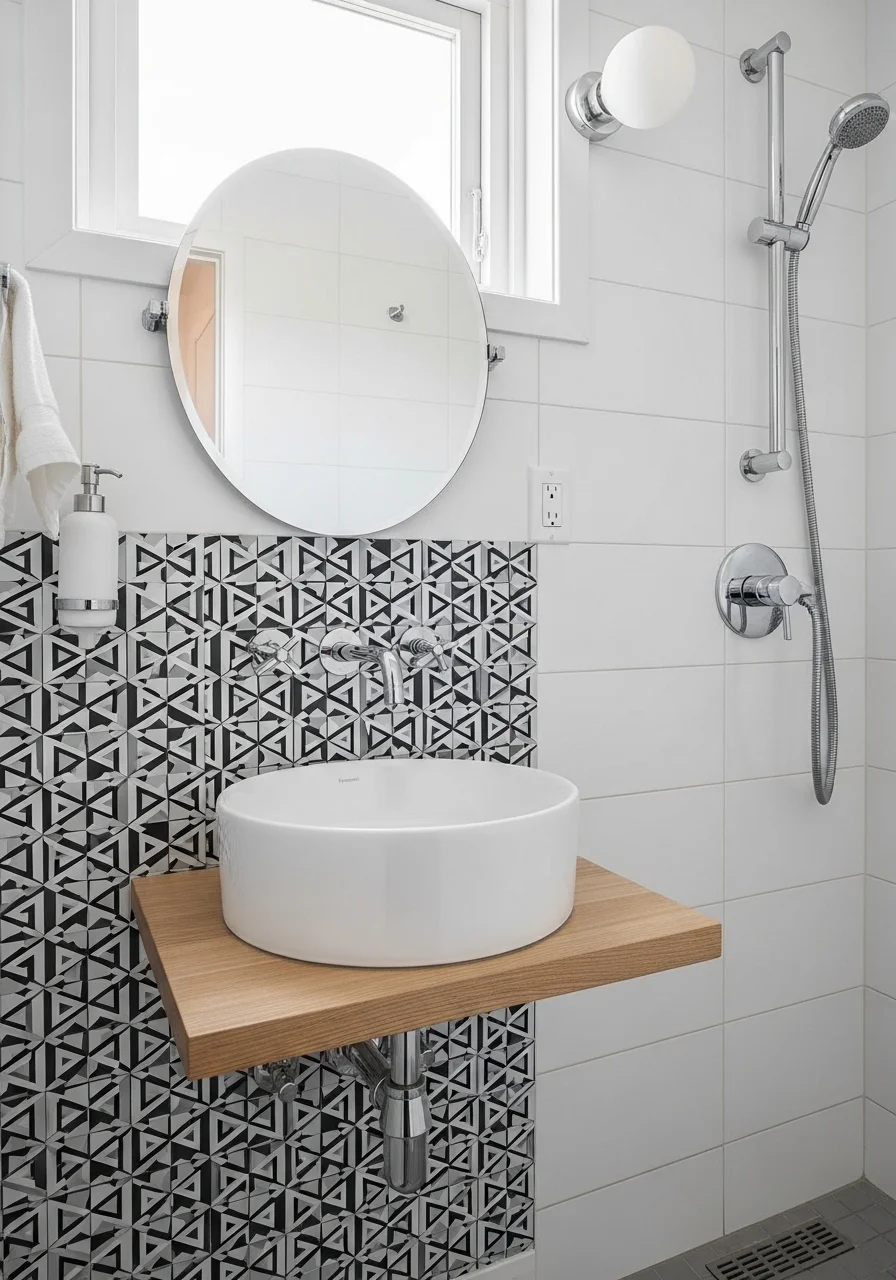
Not every bathroom upgrade requires a major renovation budget or professional installation. A peel-and-stick bathroom backsplash offers an incredibly accessible way to refresh your bathroom walls in just a few hours, with no grout, no mess, and no contractor required.
Best for Renters and Budget Remodelers
Peel-and-stick tiles are the ultimate renter-friendly bathroom upgrade. Because they use a self-adhesive backing, they can be applied directly to clean, smooth walls and removed without causing damage. This makes them an ideal solution for anyone who wants to personalize a rental bathroom without losing their security deposit.
Durability and Top Considerations
Modern peel-and-stick bathroom backsplash tiles have come a long way from their early, flimsy versions. Today’s options are made from thick vinyl or composite materials that resist moisture, humidity, and everyday bathroom conditions. Look for options with waterproof adhesive backing specifically designed for wet areas.
How to Apply and Remove Without Wall Damage
Applying a peel-and-stick bathroom backsplash is straightforward. Clean and dry the wall surface completely before starting. Peel the backing off each tile and press firmly onto the wall, starting from the center and working outward. When it is time to remove them, use a hairdryer to warm the adhesive and peel gently to avoid surface damage.
Peel-and-stick bathroom backsplash tiles typically cost between $1 and $5 per square foot, making them the most affordable bathroom backsplash option available.
Pro Tip: Clean your wall thoroughly with rubbing alcohol before application to remove any grease or residue. This ensures the adhesive bonds properly and your backsplash stays in place longer.
Idea 5: Bold Geometric Bathroom Backsplash
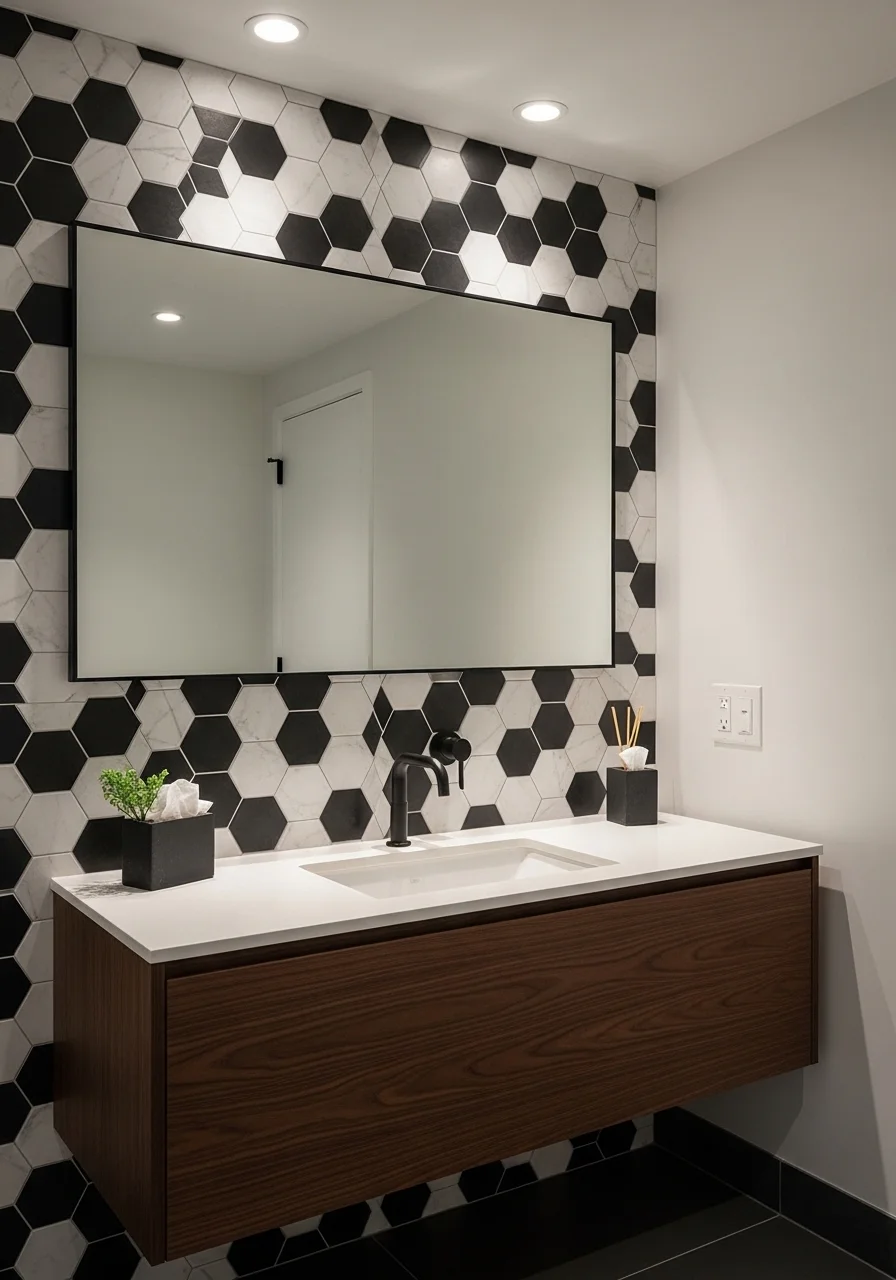
If you are ready to make a statement, a bold geometric bathroom backsplash is one of the most exciting design choices you can make. Geometric tile patterns bring energy, movement, and a strong visual personality to any bathroom space.
Trending Geometric Patterns
The most popular geometric bathroom backsplash patterns right now include:
- Hexagon tiles that create a honeycomb effect with a modern, organic feel
- Herringbone arrangements that add dynamic diagonal movement to bathroom walls
- Chevron patterns that draw the eye upward, making ceilings feel higher
- Diamond layouts that add classic elegance with a contemporary edge
How to Balance Bold Patterns With Neutral Surroundings
The key to using a geometric bathroom backsplash successfully is balance. If your tile pattern is bold and busy, keep everything else in the bathroom simple and neutral. Choose white or light gray walls, simple fixtures, and minimal accessories so the geometric backsplash remains the undisputed star of the room.
Best Color Combinations for Geometric Backsplash
- Black and white for a timeless, high-contrast contemporary look
- Navy and gold for a sophisticated, jewel-toned statement
- Soft sage and cream for a gentle, nature-inspired geometric design
- Charcoal and terracotta for a warm, earthy modern bathroom aesthetic
Pro Tip: Use large-format geometric tiles in small bathrooms. Bigger tiles mean fewer grout lines, which creates a cleaner, more open feel that makes the space appear larger.
Idea 6: Painted or Beadboard Bathroom Backsplash
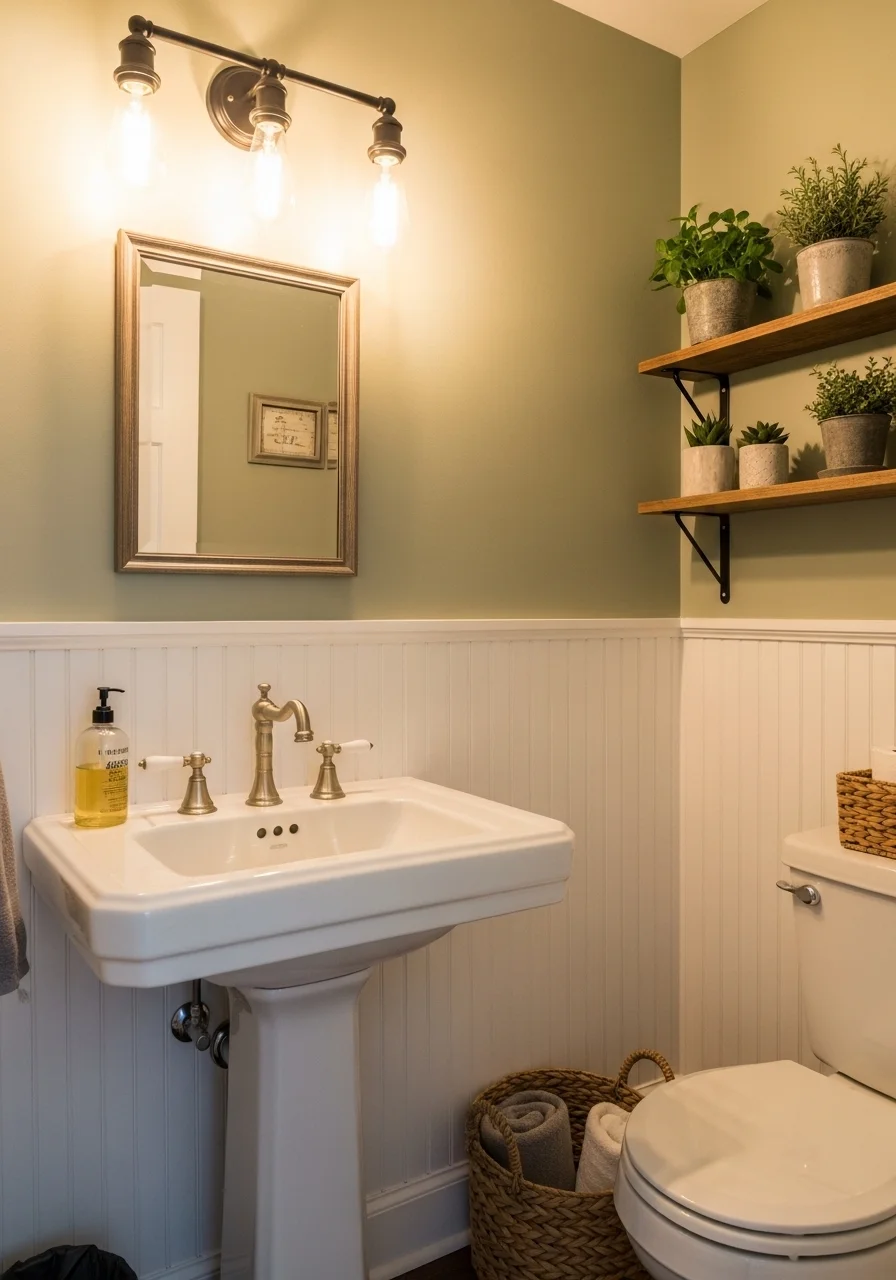
Not every bathroom backsplash needs to be made of tile. For homeowners looking for a creative, budget-friendly alternative, a painted or beadboard bathroom backsplash offers a charming and practical solution that works beautifully in powder rooms, half baths, and cottage-style bathrooms.
The Appeal of Non-Tile Backsplash Options
Beadboard panels are narrow, vertically grooved wooden boards that bring a classic, cottage bathroom style to any space. When painted in crisp white or soft pastels, they add texture and warmth without the cost or complexity of tile installation. A painted backsplash using high-quality waterproof paint is another simple alternative that works well in lower-splash zones like powder rooms.
When This Option Works Best
Painted and beadboard bathroom backsplashes are best suited for areas with minimal direct water exposure. They work exceptionally well behind pedestal sinks in powder rooms and half bathrooms where splash is limited. For full bathrooms with heavy water exposure, combining beadboard with a waterproof sealant is strongly recommended.
Cost Comparison vs Traditional Tile
Beadboard bathroom backsplash panels start at under $1 per square foot, making them significantly more affordable than ceramic, stone, or glass tile options. Even when you factor in primer, paint, and sealant costs, the total investment remains well below most tile backsplash budgets.
Pro Tip: Always use semi-gloss or satin paint on a bathroom backsplash. These finishes resist moisture, are easy to wipe clean, and hold up far better than matte or eggshell finishes in humid bathroom conditions.
Idea 7: Metallic and Stainless Steel Bathroom Backsplash
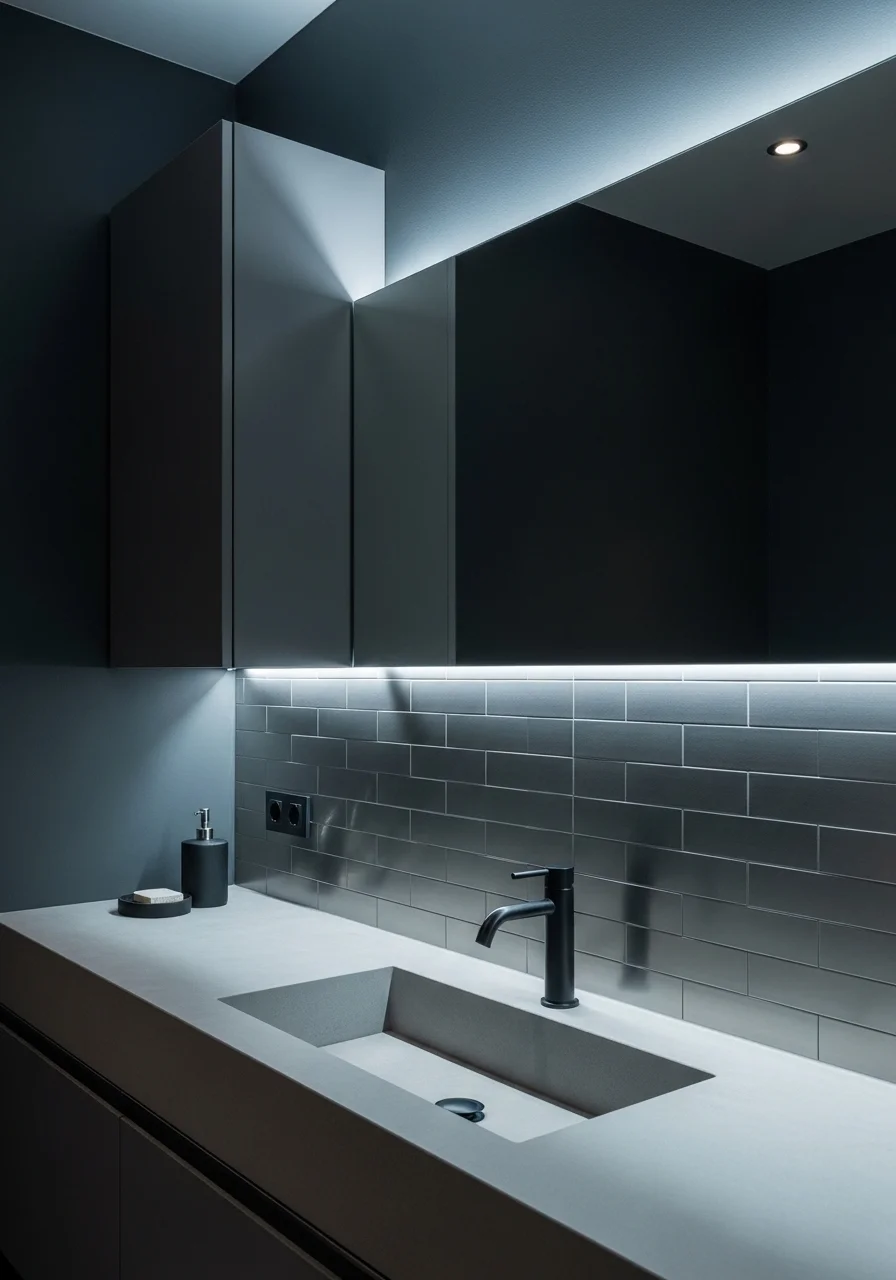
For homeowners who love clean lines, industrial aesthetics, and ultra-modern bathroom design, a metallic bathroom backsplash delivers a striking visual impact unlike any other material. Metal tiles bring a sleek, reflective quality to bathroom walls that feels both cutting-edge and surprisingly timeless.
The Industrial and Modern Appeal of Metal Tiles
Metallic bathroom backsplashes work exceptionally well in modern, industrial, and contemporary bathroom styles. The reflective surface of metal tiles bounces light around the room, making the space feel brighter and more open. They also pair beautifully with other modern bathroom elements like floating vanities, vessel sinks, and matte black or brushed nickel fixtures.
Stainless Steel, Brushed Nickel, and Copper Options
Metal bathroom backsplash tiles are available in a wide range of finishes:
- Stainless steel offers a clean, clinical look that suits ultra-modern bathrooms
- Brushed nickel has a warmer, softer sheen that complements transitional bathroom styles
- Copper brings rich, warm tones that develop a beautiful natural patina over time
- Bronze and brass options add vintage glamour and Old-World character to bathroom design
How to Clean and Maintain a Metallic Bathroom Backsplash
Metallic bathroom backsplashes are highly durable and moisture-resistant, but they do require specific care. Always use mild soap and a soft cloth for regular cleaning. Avoid abrasive scrubbers, steel wool, or harsh chemical cleaners that can scratch or damage the metal finish.
Pro Tip: Avoid bleach-based or acidic cleaners on metallic bathroom backsplash tiles. A simple solution of warm water and mild dish soap is all you need to keep your metal tiles looking flawless.
Idea 8: Zellige and Handmade Tile Bathroom Backsplash
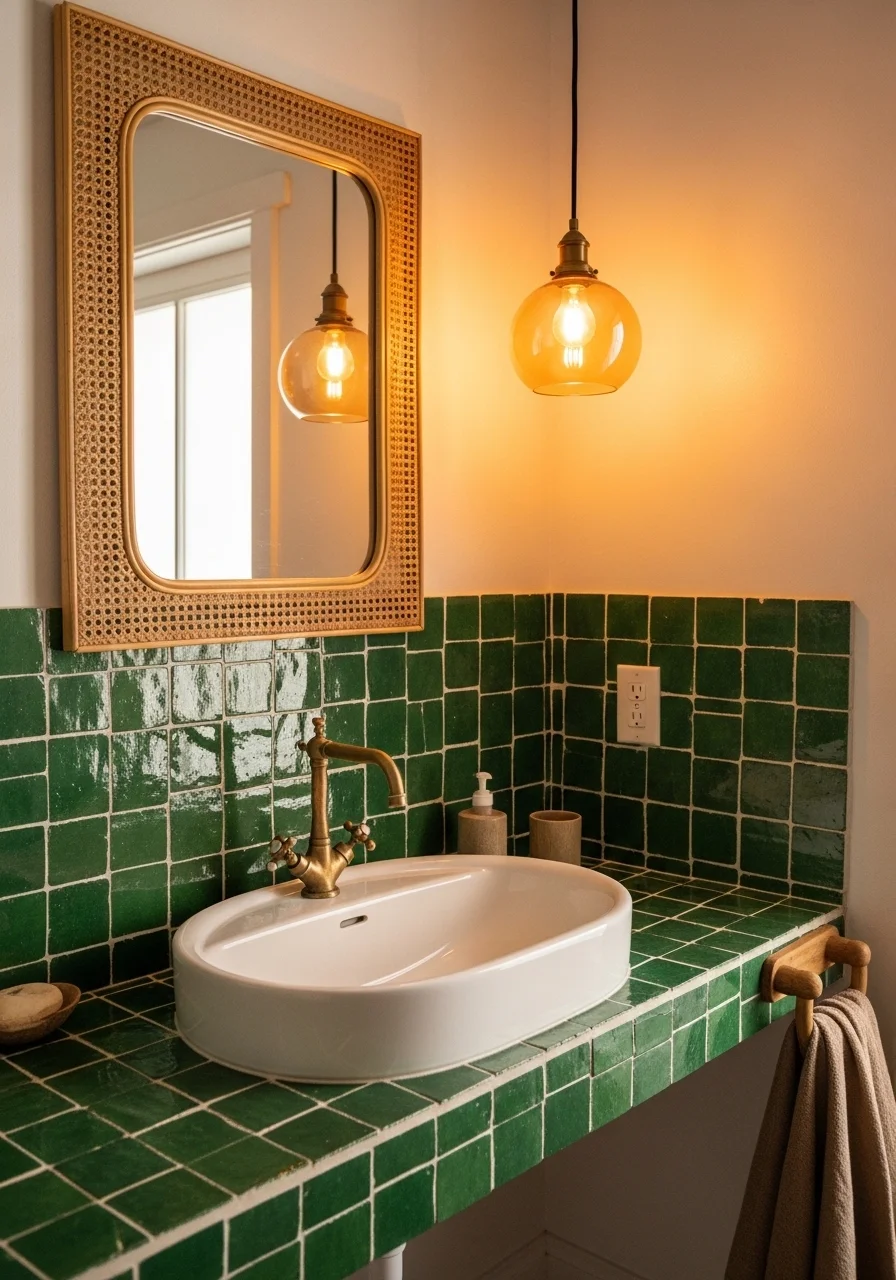
For those who appreciate artisan craftsmanship and one-of-a-kind beauty, a Zellige tile bathroom backsplash is one of the most extraordinary design choices available. These handmade Moroccan clay tiles bring soul, texture, and an irresistible warmth to any bathroom space.
What Zellige Tile Is and Its Moroccan Origins
Zellige tiles have been crafted by hand in Morocco for over a thousand years. Each tile is individually made from natural clay, hand-glazed, and kiln-fired, resulting in subtle variations in color, thickness, and surface texture. These beautiful imperfections are not flaws but rather the defining characteristic that makes every Zellige bathroom backsplash unique.
Unique Texture and Imperfections as Design Features
Unlike factory-produced tiles that aim for perfect uniformity, Zellige tiles celebrate variation. The slightly uneven surfaces catch and reflect light differently throughout the day, creating a living, dynamic quality on your bathroom wall that machine-made tiles simply cannot replicate.
Best Bathroom Styles for Zellige Tile
Zellige bathroom backsplashes work beautifully in bohemian, eclectic, Mediterranean, and globally-inspired bathroom styles. They pair especially well with natural wood vanities, unlacquered brass fixtures, woven textiles, and earthy color palettes.
Pro Tip: Install warm-toned lighting near your Zellige bathroom backsplash. The warm light enhances the handmade texture and brings out the rich, dimensional quality of the glaze in a truly breathtaking way.
Idea 9: Large Format Slab Bathroom Backsplash
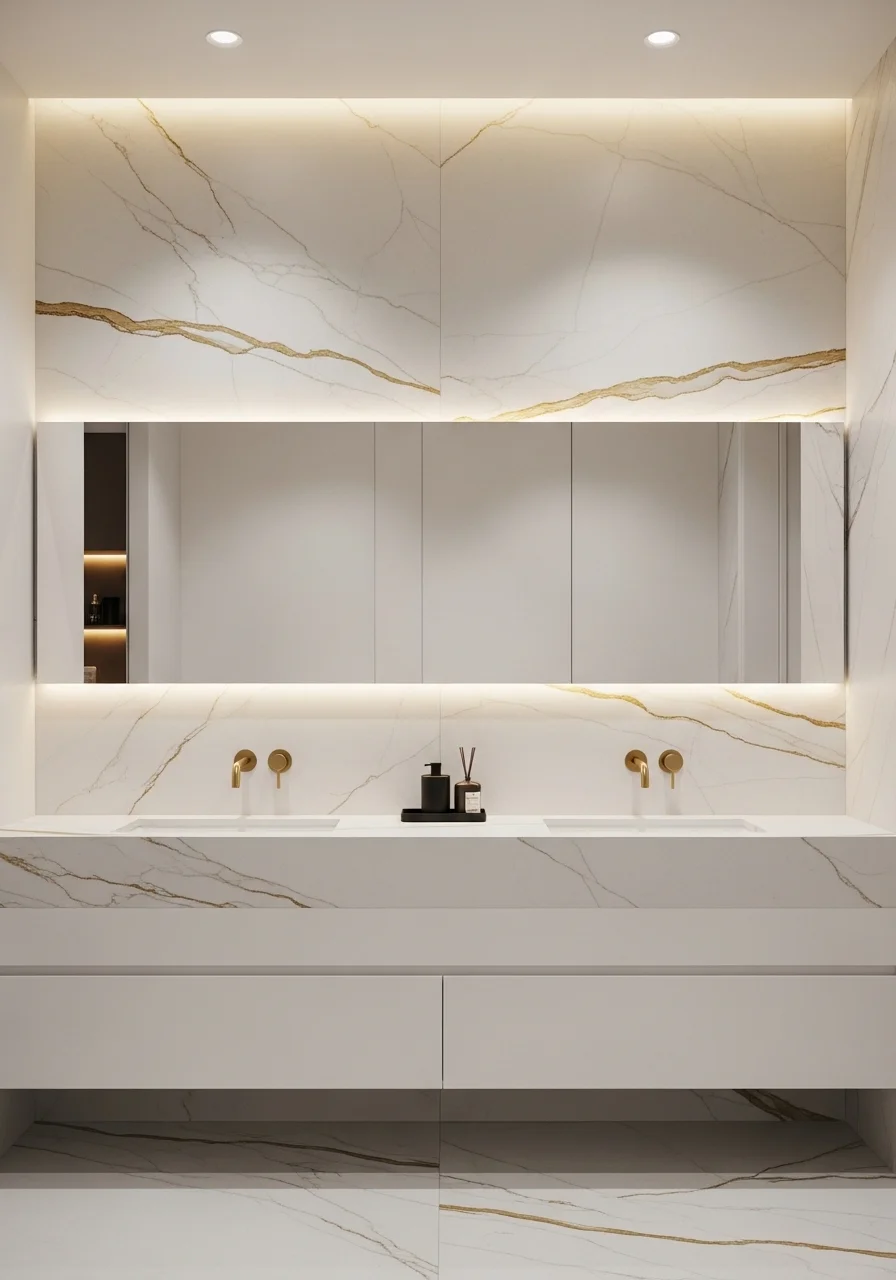
Closing our list with one of the most dominant bathroom design trends of recent years, the large-format slab bathroom backsplash represents the ultimate in modern minimalist luxury. Clean, seamless, and absolutely stunning, slab backsplashes have become the defining feature of high-end bathroom renovations worldwide.
Why Large Slabs Are Dominating Bathroom Design Trends
The appeal of a large-format slab bathroom backsplash is rooted in its simplicity. With panels measuring 24 by 48 inches or larger, slab backsplashes eliminate the need for multiple grout lines, creating a smooth, uninterrupted surface that looks incredibly sleek and sophisticated. This seamless appearance is particularly desirable in modern and minimalist bathroom designs where clean lines and open space are the priority.
Porcelain Slab vs Quartz Slab Options
The two most popular materials for large-format slab bathroom backsplashes are:
- Porcelain slabs are extremely hard, non-porous, and resistant to moisture, staining, and scratching. They are available in a wide range of colors and finishes, including realistic marble and stone looks, at a fraction of the cost
- Quartz slabs are engineered from natural quartz crystals and resin, offering exceptional durability, consistent patterning, and zero maintenance requirements
The Benefits of a Seamless Grout-Free Appearance
Beyond aesthetics, a grout-free bathroom backsplash offers significant practical advantages. Without grout lines, there are no crevices for mold, mildew, or bacteria to hide. Cleaning becomes as simple as wiping down a single smooth surface, making large-format slab bathroom backsplashes one of the most hygienic options available.
Pro Tip: Always hire a professional installer for large-format slab bathroom backsplashes. The size and weight of these panels make precise, safe installation extremely difficult without specialist tools and experience.
How to Choose the Right Bathroom Backsplash?
With so many stunning bathroom backsplash options available, choosing the right one for your space can feel overwhelming. The good news is that narrowing down your choices becomes much easier when you consider three simple factors: your bathroom style, your budget, and your installation comfort level.
Match Your Bathroom Backsplash to Your Style
The first step is identifying your bathroom’s existing design style. A classic or traditional bathroom pairs beautifully with subway tile or natural stone. A modern or minimalist bathroom benefits from a large-format slab or metallic tile. A bohemian or eclectic bathroom comes alive with Zellige or mosaic tile. Always choose a bathroom backsplash that complements your existing fixtures, flooring, and color palette rather than competing with them.
Choose Based on Your Budget
Your renovation budget plays a major role in determining which bathroom backsplash is right for you. Here is a simple breakdown to guide your decision:
| Budget | Best Backsplash Option | DIY Friendly |
|---|---|---|
| Under $200 | Peel and Stick Tile | Yes |
| $200 to $600 | Subway Tile or Mosaic | Yes |
| $600 to $1,500 | Marble or Geometric Tile | Moderate |
| $1,500 and above | Zellige or Large Format Slab | Professional Recommended |
DIY vs Professional Installation
Your skill level and available time are equally important factors in your bathroom backsplash decision. Peel-and-stick tiles and standard subway tiles are genuinely beginner-friendly and require minimal tools. Mosaic sheets and geometric tiles require moderate skill and patience. Natural stone, Zellige, and large-format slab installations are best left to professional tile installers to ensure a flawless, long-lasting result.
Choosing the right bathroom backsplash is ultimately about finding the perfect balance between the look you love, the budget you have, and the installation method you are comfortable with. When all three align, you are guaranteed a result you will be proud of for years to come.
Bathroom Backsplash Installation Tips
Installing a bathroom backsplash is one of the most rewarding home improvement projects you can take on. With the right preparation, tools, and technique, even a first-time DIY homeowner can achieve professional-looking results. Here is everything you need to know before you begin.
Step 1: Prepare Your Surface
Proper surface preparation is the foundation of a successful bathroom backsplash installation. Start by cleaning the wall thoroughly to remove any grease, soap residue, or dust. Fill any holes or cracks with spackling compound and allow it to dry completely. Sand the surface smooth and wipe it clean before applying any adhesive or tile.
Step 2: Gather Your Tools
Having the right tools ready before you start saves time and prevents costly mistakes. For a standard bathroom backsplash installation, you will need:
- Tile adhesive or mastic
- Notched trowel for spreading adhesive
- Tile spacers for even grout lines
- Tile cutter or wet saw for precise cuts
- Grout float for applying grout
- Sponge and clean water for wiping excess grout
- Sealant for finishing natural stone or porous tiles
Step 3: Plan Your Layout Before You Stick Anything
Never start placing tiles without planning your layout first. Dry-fit your tiles on the wall without adhesive to test your arrangement, identify any awkward cuts, and ensure your pattern is centered and balanced.
Step 4: Apply Adhesive, Set Tiles, and Grout
Spread tile adhesive evenly using a notched trowel. Press each tile firmly into place using spacers to maintain consistent gaps. Allow the adhesive to cure fully before applying grout. Work grout into the joints using a grout float, wipe away excess with a damp sponge, and allow to dry completely before sealing.
Pro Tip: Always start your bathroom backsplash installation from the center of the wall and work outward toward the edges. This ensures your pattern stays balanced and symmetrical from the most visible viewpoint.
Bathroom Backsplash Maintenance and Cleaning
Once your beautiful bathroom backsplash is installed, keeping it looking its best requires surprisingly little effort. A consistent cleaning routine and a few smart habits will protect your investment and keep your bathroom walls looking fresh and flawless for years to come.
Daily Cleaning Habits
The simplest way to maintain your bathroom backsplash is to wipe it down regularly. After each use, take a moment to wipe away water splashes and soap residue with a soft, damp cloth or microfiber towel. This prevents mineral deposits, soap scum, and hard water stains from building up on your tile surface over time.
Deep Cleaning Grout Lines
Grout lines are the most vulnerable part of any tiled bathroom backsplash. Over time, grout can absorb moisture, dirt, and soap residue, leading to discoloration and mold growth. Deep clean your grout lines every one to two months using a mixture of baking soda and water applied with a soft-bristle brush. For stubborn stains, a diluted white vinegar solution works effectively on ceramic and porcelain tiles.
When to Reseal Natural Stone
If your bathroom backsplash is made from marble, travertine, or any other natural stone, resealing is essential. Apply a fresh coat of penetrating stone sealer every six to twelve months to maintain the protective barrier against moisture and staining.
Products to Avoid on Different Tile Types
- Avoid bleach and ammonia-based cleaners on natural stone, as they etch and dull the surface
- Avoid abrasive scrubbing pads on glass and metallic tiles, as they cause permanent scratching
- Avoid acidic cleaners on marble and travertine as they break down the stone surface over time
FAQ
What is the best tile for a bathroom backsplash?
The best tile for a bathroom backsplash depends on your budget and style preference. Subway tile is the most popular choice for its affordability and timeless appeal. Porcelain and ceramic tiles are excellent all-around options due to their durability, water resistance, and wide range of design options. For luxury bathrooms, marble and large-format porcelain slabs deliver the most impressive results.
How high should a bathroom backsplash be?
A standard bathroom backsplash should extend at least 4 to 6 inches above the sink or countertop. However, many homeowners choose to extend it all the way to the bottom of the mirror or upper cabinets for a more polished and complete look.
Can I use kitchen backsplash tile in a bathroom?
Yes, most kitchen backsplash tiles can be used in a bathroom as long as they are water-resistant and suitable for humid environments. Ceramic, porcelain, glass, and stone tiles work well in both spaces.
How much does it cost to install a bathroom backsplash?
The cost of installing a bathroom backsplash varies widely depending on the material and labor. Peel-and-stick options cost as little as $1 to $5 per square foot, while professional natural stone or slab installations can range from $1,500 to $3,000 or more, including labor costs.
Is a bathroom backsplash necessary?
While a bathroom backsplash is not legally required, it is strongly recommended. Without one, repeated water exposure will eventually damage your walls, leading to mold growth, paint peeling, and costly structural repairs.
What is trending for bathroom backsplashes?
The biggest bathroom backsplash trends right now include large-format porcelain slabs, handmade Zellige tiles, bold geometric patterns, and mixed material designs that combine stone, glass, and metal for a rich layered effect.
How do I waterproof a bathroom backsplash?
To waterproof a bathroom backsplash, choose inherently water-resistant materials like porcelain, ceramic, or glass tile. Seal all grout lines with a quality grout sealer after installation and reseal natural stone surfaces every six to twelve months to maintain full moisture protection.
Conclusion
A beautiful bathroom backsplash is one of the simplest and most impactful upgrades you can make to your home. Whether you choose the timeless charm of classic subway tile, the luxurious elegance of marble and natural stone, the artistic creativity of mosaic, or the cutting-edge sophistication of a large-format slab, there is a perfect bathroom backsplash design waiting for every style and budget.
Throughout this guide, you have discovered 9 breathtaking bathroom backsplash design ideas, learned how to choose the right option for your space, and gained practical knowledge on installation, maintenance, and cleaning. You now have everything you need to move forward with confidence.
If you are ready to take the next step, explore these related guides to continue your bathroom renovation journey:
- Best Bathroom Tile Ideas for Every Style
- Small Bathroom Remodel Guide on a Budget
- How to Grout Bathroom Tiles Like a Professional
Your dream bathroom is closer than you think. Pick the bathroom backsplash idea that speaks to your style, set your budget, and start transforming your space today. For the full bathroom transformation, this guide to spa bathroom makeovers under $500 pairs perfectly with a new backsplash.
Which of these 9 bathroom backsplash ideas is your favorite? Drop it in the comments below!

Shahid Nawaz is a home and garden content writer at Garden Skillz with over 4 years of experience researching and writing about gardening, plant care, and DIY home improvement. He specializes in turning complex horticultural topics into practical, easy-to-follow guides for beginners and experienced growers alike. Shahid has written extensively on flowering plants, indoor greenery, and seasonal garden care.