I used to think orange bedrooms only worked in kids’ rooms or bold boho spaces. Every time I saw orange paint swatches at the store, I’d walk right past them and head straight for the “safe” colors — beige, gray, soft white. Orange felt risky.
Then one autumn, I stayed at a small boutique hotel with burnt orange velvet pillows, warm lighting, and soft cream bedding layered together so perfectly that the whole room felt expensive without trying too hard. It wasn’t loud or overwhelming like I imagined. It felt warm, cozy, rich, and honestly hard to leave.
That trip completely changed how I looked at orange in bedroom design.
Since then, I’ve experimented with orange tones in my own bedroom, helped friends redo guest rooms, and learned one very important thing: orange can feel incredibly luxurious when it’s used the right way.
The trick is choosing the right shade, pairing it with calming textures, and avoiding the common mistakes that make the room feel chaotic instead of elegant.
If you’ve been curious about trying orange but worried it might look too bright or outdated, these ideas will help you create a bedroom that feels stylish, warm, and surprisingly sophisticated.
1. Use Burnt Orange for a Rich, Hotel-Like Feel
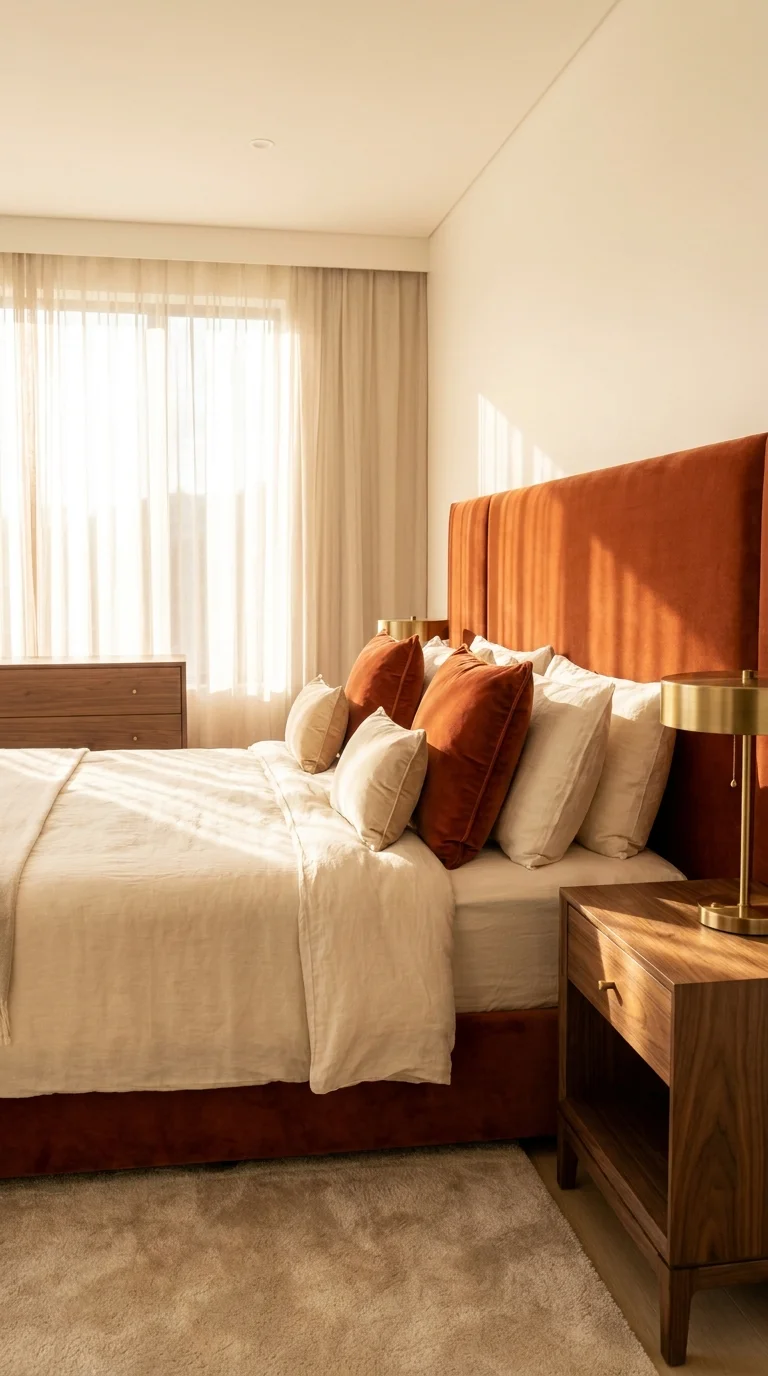
I tried a bright citrus orange once in a rental apartment years ago, and it honestly looked more playful than relaxing. The room felt smaller and louder. Burnt orange, though, has depth. It feels warm instead of flashy.
One of my favorite combinations is:
- Burnt orange throw pillows
- Cream or beige bedding
- Walnut wood furniture
- Warm gold accents
- Soft lighting
That combination instantly creates a cozy upscale vibe.
If painting the walls feels too permanent, start smaller:
- Add a burnt orange duvet cover
- Try velvet pillows
- Use rust-colored curtains
- Add one upholstered bench in a warm orange tone
Velvet especially changes everything. Even inexpensive velvet accents tend to look more expensive than they are.
A friend of mine added two burnt orange velvet cushions to her plain white bedroom, and suddenly the entire space looked professionally styled.
2. Pair Orange With Cream Instead of Bright White

Bright white can sometimes make orange look harsh or too sharp. Cream softens everything and gives the room a calmer atmosphere.
Think about luxury hotels or designer bedrooms — they usually use layered warm neutrals instead of stark white.
Good cream pairings include:
- Ivory bedding
- Beige rugs
- Oatmeal linen curtains
- Warm taupe walls
When I switched my white curtains to warm beige linen panels, the entire room suddenly felt softer and more balanced.
It’s a small change, but it makes orange feel intentional rather than overpowering.
3. Add Orange Through Texture Instead of Paint

This approach is also renter-friendly.
Some of the easiest ways to add orange include:
- Velvet cushions
- Knit throws
- Linen bedding
- Upholstered headboards
- Area rugs
- Ceramic lamps
Texture matters more than people realize.
A flat orange comforter can sometimes feel cheap, while textured fabrics instantly add depth and warmth.
I once bought a rust-orange knit blanket during a fall sale just to “test” the color in my bedroom. It completely transformed the room without changing anything else.
That’s usually how orange works best — as a layered accent instead of a giant statement wall.
4. Try Terracotta Walls for a Warm Luxury Look

It feels earthy, calming, and sophisticated all at once.
Unlike bright orange, terracotta has muted brown undertones that make it easier to live with long-term.
If you want your room to feel cozy during every season, terracotta works beautifully.
A few things I learned after helping my cousin paint her bedroom:
- Matte paint looks far more elegant than glossy finishes
- Warm lighting makes the terracotta glow beautifully at night
- Dark wood furniture pairs perfectly with earthy orange tones
One mistake we almost made was using cool-toned gray furniture. It completely clashed with the warmth of the walls.
Once we switched to walnut and oak pieces, the room looked balanced and expensive.
5. Mix Orange With Black for a Dramatic Luxury Style
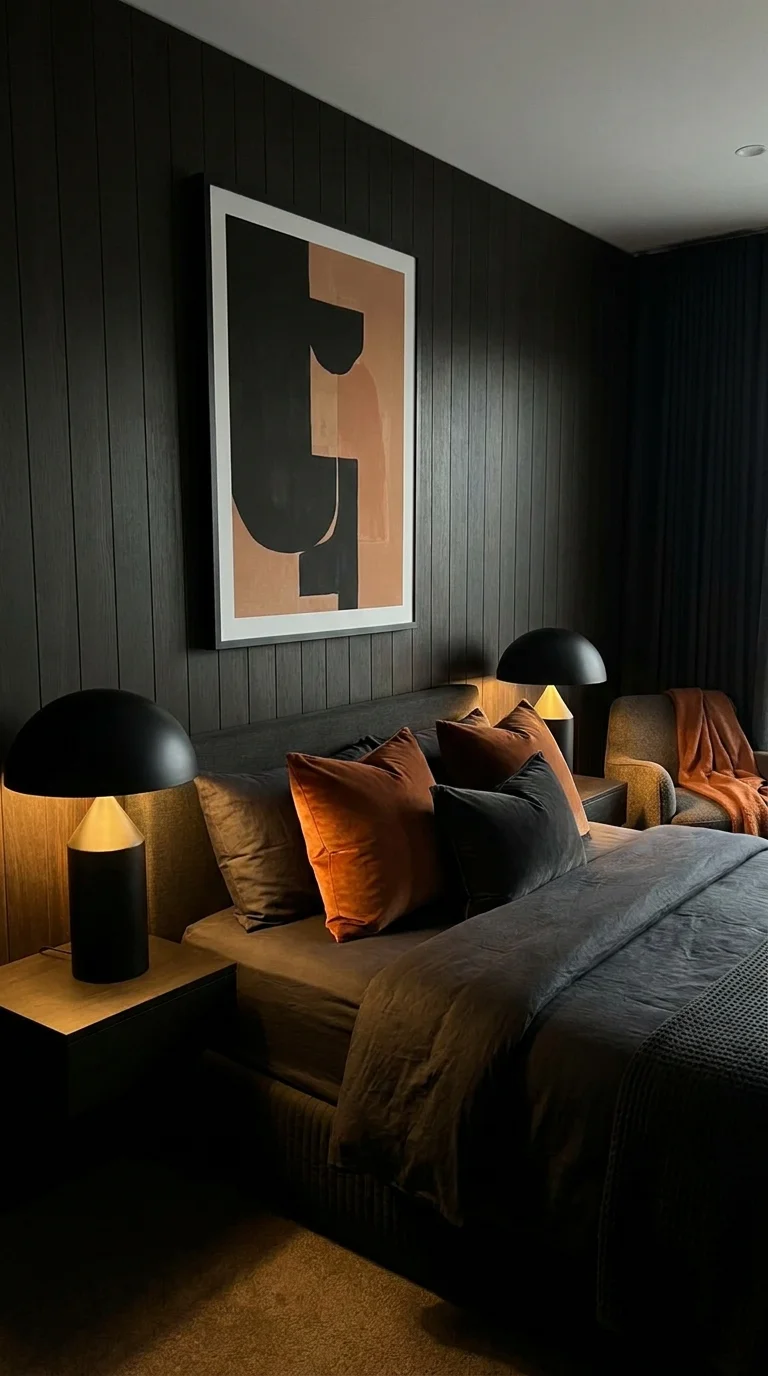
Orange and black can either look incredibly chic or feel like Halloween decorations. The difference is all in the shades and styling.
The key:
- Use deep burnt orange
- Keep black accents minimal
- Add soft textures to balance the contrast
Some elegant black accents include:
- Matte black lamps
- Black picture frames
- Thin black curtain rods
- Black nightstands
I wouldn’t recommend bright orange here. Burnt orange or rust shades look much more sophisticated.
Adding cream bedding also prevents the room from becoming too dark.
6. Layer Different Orange Shades Together

Instead of using one exact shade of orange everywhere, mix multiple tones:
- Rust
- Terracotta
- Amber
- Burnt orange
- Clay
- Cinnamon
This creates depth and keeps the room from feeling flat.
I learned this accidentally while decorating during autumn. I mixed different warm-toned pillows and realized the layered colors looked far more luxurious than matching everything perfectly.
Designer spaces rarely use one single shade throughout the room.
The layered look feels more natural and relaxed.
7. Use Gold Accents Carefully

But this is also where people sometimes overdo things.
Too much gold can make the room feel flashy instead of luxurious.
I usually stick with:
- One gold mirror
- Brass bedside lamps
- Small metallic frames
- Simple drawer handles
That’s enough to add warmth without turning the room into a showroom.
Brushed brass often looks more elegant than super shiny gold finishes.
Soft lighting reflecting off warm metallic accents creates a beautiful, cozy glow at night.
8. Create a Luxury Look With Soft Lighting

I cannot stress this enough.
The first time I tried orange decor, I had bright, cool-toned LED bulbs. The room looked harsh and slightly strange.
Switching to warm bulbs instantly fixed the problem.
Now I always recommend:
- Warm white bulbs
- Layered lighting
- Bedside lamps instead of overhead lights
- Dimmable lighting, if possible
Orange reflects warmth beautifully under soft lighting.
Even inexpensive decor looks more expensive when the lighting is right.
One easy trick I use:
Place a warm lamp near orange textiles in the evening. The glow makes the entire room feel cozy and upscale.
9. Add Natural Materials to Balance the Warmth

Otherwise, the room can feel too heavy or overly styled.
Some materials that pair beautifully with orange:
- Oak wood
- Walnut furniture
- Linen fabrics
- Woven baskets
- Rattan lighting
- Jute rugs
I personally love combining orange with wood because it makes the space feel grounded and calming.
One mistake I made years ago was using too many synthetic glossy materials alongside orange decor. The room felt artificial and oddly cold.
Natural textures instantly softened everything.
Even something simple like a woven basket beside the bed can make the room feel warmer and more inviting.
10. Keep the Rest of the Room Calm
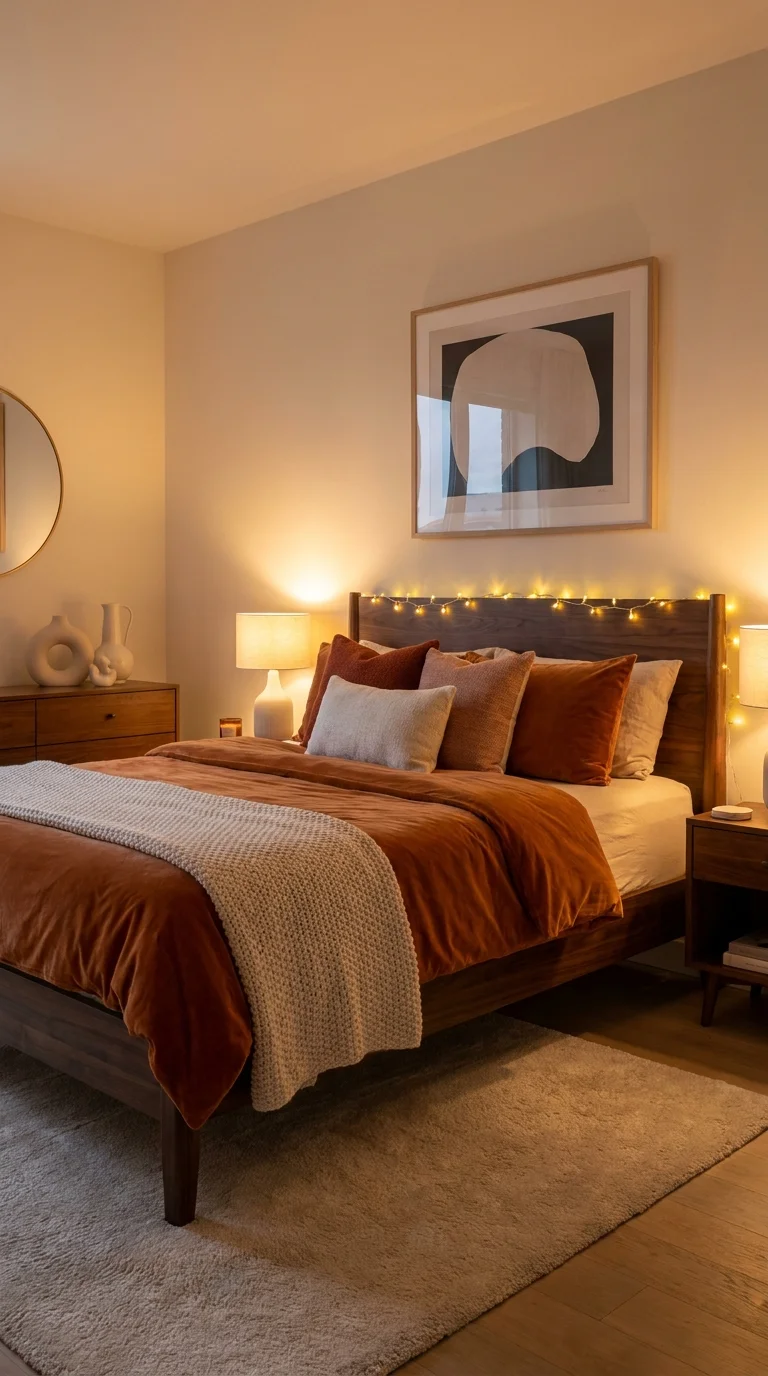
Orange already has a strong personality. You don’t need to overload the room with extra colors, busy patterns, or too many decorations.
The most luxurious orange bedrooms usually have:
- Simple bedding
- Clean furniture lines
- Limited wall art
- Soft neutral backgrounds
- A few intentional statement pieces
I’ve noticed that restraint makes a room feel more expensive.
One beautiful orange chair or velvet headboard can have more impact than filling the entire room with orange accessories.
Whenever I decorate now, I stop before I think I’m finished. That usually ends up being the perfect amount.
Common Mistakes That Make Orange Bedrooms Look Cheap
After experimenting with orange decor over the years, I’ve noticed the same mistakes happen again and again.
Using Neon or Super Bright Orange
Unless you’re designing a playful teen room, bright orange can feel overwhelming fast.
Muted shades always look more elegant.
Ignoring Lighting
Orange changes dramatically depending on the lighting.
Cool white bulbs can make warm orange tones look harsh or dull.
Warm lighting makes a huge difference.
Matching Everything Perfectly
Perfectly matching orange decor can feel flat and staged.
Layering similar tones creates a richer, more natural look.
Adding Too Many Bold Colors
Orange already stands out.
Trying to mix it with bright blue, neon pink, or strong green can quickly become chaotic.
Neutrals help balance everything.
Overdecorating
Luxury bedrooms usually feel calm, not crowded.
Leave breathing room between decor pieces.
My Favorite Easy Orange Bedroom Upgrade
If someone asked me for the easiest way to try this trend without fully redecorating, I’d say this:
Start with:
- Burnt orange pillows
- Warm cream bedding
- Soft lighting
- One textured throw blanket
That’s honestly enough to transform the feel of a room.
You don’t need expensive furniture or a full renovation.
Some of the coziest bedrooms I’ve seen were created with small, thoughtful updates rather than huge makeovers.
Final Thoughts
Orange bedrooms used to intimidate me because I assumed they would feel too bold or trendy. But once I started using softer earthy tones and layering warm textures, I realized orange can actually make a bedroom feel more relaxing, welcoming, and luxurious than many neutral palettes.
The biggest surprise was how cozy the room felt at night. Warm orange tones reflect light beautifully and create that comfortable, lived-in feeling that so many modern bedrooms are missing.
If you’ve been wanting a bedroom that feels warm, stylish, and a little more personal than the usual beige-and-gray designs, orange might be exactly what your space needs.
Start small, trust your eye, and don’t be afraid to mix warmth with simplicity. Sometimes the most beautiful rooms are the ones that feel collected naturally over time instead of perfectly staged all at once.

Shahid Nawaz is a home and garden content writer at Garden Skillz with over 4 years of experience researching and writing about gardening, plant care, and DIY home improvement. He specializes in turning complex horticultural topics into practical, easy-to-follow guides for beginners and experienced growers alike. Shahid has written extensively on flowering plants, indoor greenery, and seasonal garden care.