A few years ago, I redid three bedrooms in my house within six months. Not because I planned it that way — it kind of snowballed. Started with my daughter’s room, then my son got jealous, then I figured my master bedroom deserved the same treatment. By the end of it, I’d laid carpet in every price range imaginable, made some genuinely terrible choices, and learned things I wish someone had told me before I spent a single dollar.
Here’s the thing nobody tells you upfront: bedroom carpet is not like kitchen flooring or bathroom tile. It’s deeply personal. You walk on it barefoot at 2 AM. You sit on it when you’re getting dressed. Your kid will definitely spill chocolate milk on it within the first two weeks. So the “best” carpet isn’t just about looks — it’s about how it holds up to actual life.
I’ve tested budget rolls from big-box stores, ordered samples off websites I’d never heard of, and yes, splurged on one genuinely luxurious option for my master bedroom that I will defend to my dying breath. This guide pulls all of it together — 12 real picks across every price point, with honest notes on what worked, what didn’t, and what I’d do differently.
My honest starting point: I went into my first carpet purchase thinking I’d just pick whatever looked nice in the showroom. Big mistake. Showroom lighting is nothing like bedroom lighting, and that “soft silver-grey” I fell in love with looked green-yellow in my actual room. Now I always order samples first — most places send them free or for a couple of dollars.
Budget Picks — Under $1.50 per Square Foot
Budget carpet gets a bad reputation, mostly unfairly. Yes, some of the cheap stuff is genuinely awful. But there are diamonds in the rough if you know what to look for. The trick is focusing on fiber type — not just the price tag.
Pick #1: TrafficMaster Hobnail Berber — The Reliable Workhorse

- Budget
- Loop Pile
- Kids’ Room Friendly
This is what I put in my son’s bedroom, and honestly, two years later, it still looks decent. It’s a loop-pile style, which means it doesn’t crush the way cut pile does. The hobnail texture actually hides dirt and footprints really well — which, if you have a ten-year-old, is basically the most important feature a carpet can have.
The downside? It’s not the softest thing underfoot. First thing in the morning, it feels more “functional” than “spa-like.” If you’re putting this in an adult bedroom where morning comfort matters, I’d spend a bit more on a quality pad underneath — it makes a bigger difference than most people realize.
Best for: Kids’ rooms, spare bedrooms, rentals.
Approximate cost: $0.89–$1.20/sq ft. Available at Home Depot.
Pick #2: Shaw Floors — Essentials Collection (Soft Matters)

- Budget
- Cut Pile
- Soft Touch
Shaw is one of those carpet brands that punches well above its weight at the entry level. The Essentials line uses what they call “SoftBac” — a moisture barrier backing that helps if you’ve got pets or spill-prone people in the house. I ordered a sample of the “Natural Comfort” colorway and was genuinely surprised by how soft it felt for the price.
It doesn’t have the density of their premium lines, so high-traffic areas will start showing wear patterns after a few years. But for a guest bedroom or a kid’s room that gets moderate use? Absolutely solid choice. The color range is decent too — more neutral tones than you’d expect at this price.
Best for: Guest rooms, teen bedrooms.
Approximate cost: $1.10–$1.45/sq ft. Available at Lowe’s and FloorCity.
Pick #3: LifeProof Pet Proof Carpet — Budget Edition
- Budget
- Stain Resistant
- Pet Friendly
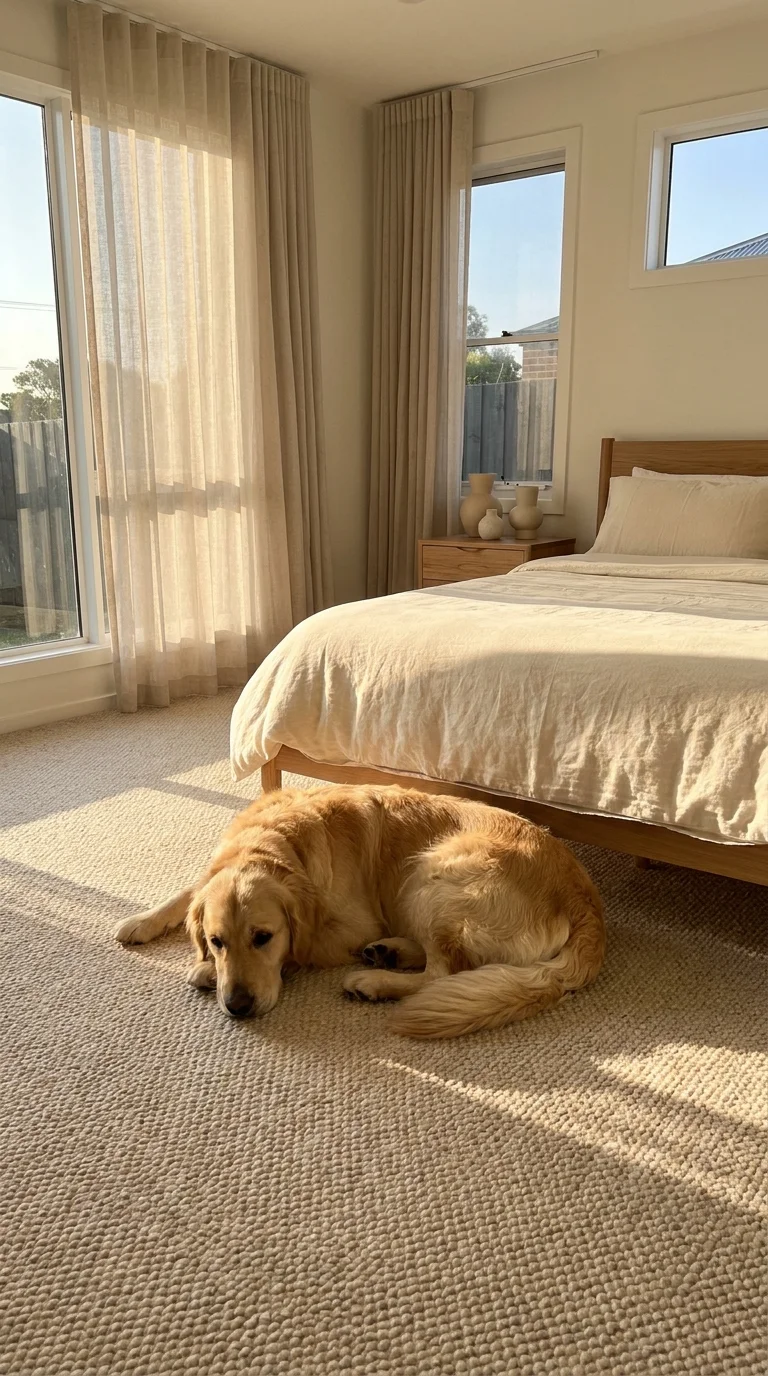
If you have pets and a tight budget, this is the one. Home Depot’s LifeProof line is specifically engineered for pet households — it has a moisture barrier built into the backing that prevents liquids from soaking through to the subfloor (which is where odors actually live). I’ve seen this carpet in a friend’s house with two golden retrievers, and it genuinely holds up.
Style-wise, it’s pretty basic. You’re not getting anything trendy or luxurious looking — it’s more “clean and neutral” than anything else. But for practicality? Few things at this price even come close.
Best for: Pet owners on a budget.
Approximate cost: $1.15–$1.49/sq ft. Home Depot exclusive.
Quick tip on budget carpet: Always upgrade the pad. A $0.99/sq ft carpet on a $0.60/sq ft pad will feel worse than the same carpet on a $1.00/sq ft pad. The pad is what determines how soft and bouncy the floor feels underfoot — don’t skip it to save money.
Mid-Range Picks — $1.50 to $3.50 per Square Foot
This is the sweet spot for most bedrooms. You’re spending enough to get genuinely good fiber quality — usually nylon or high-grade polyester — without going into “this is a splurge” territory. Most of the carpets I’d put in my own bedroom fall here.
Pick #4: Mohawk SmartStrand — The One I Actually Recommend
Most

- Mid-Range
- Triexta Fiber
- Stain Resistant
If someone asks me, “What carpet should I just buy?” without any other context, this is almost always what I say. Mohawk’s SmartStrand uses a fiber called Triexta (branded as DuPont Sorona), which is genuinely different from regular polyester — softer, more resilient, and the stain resistance is built into the fiber itself rather than being a topical coating that wears off.
I put this in my daughter’s bedroom about 18 months ago. She’s had sleepovers, craft sessions, a minor nail polish incident, and one cup of fruit punch that I’m still slightly traumatized by. Everything is cleaned up. The carpet still looks like it did when we installed it. I’m not joking when I say that — it’s genuinely impressive.
The texture is plush without being too thick for regular vacuuming. It comes in a huge range of colors and styles, and the price variation within the SmartStrand line means you can often find good options even toward the lower end of this range.
Best for: Almost any bedroom. Especially families.
Approximate cost: $1.80–$2.90/sq ft. Sold at Mohawk dealers and Floor & Decor.
Pick #5: Karastan Elements — Soft, Stylish, Surprisingly Accessible
- Mid-Range
- Nylon
- Style Forward
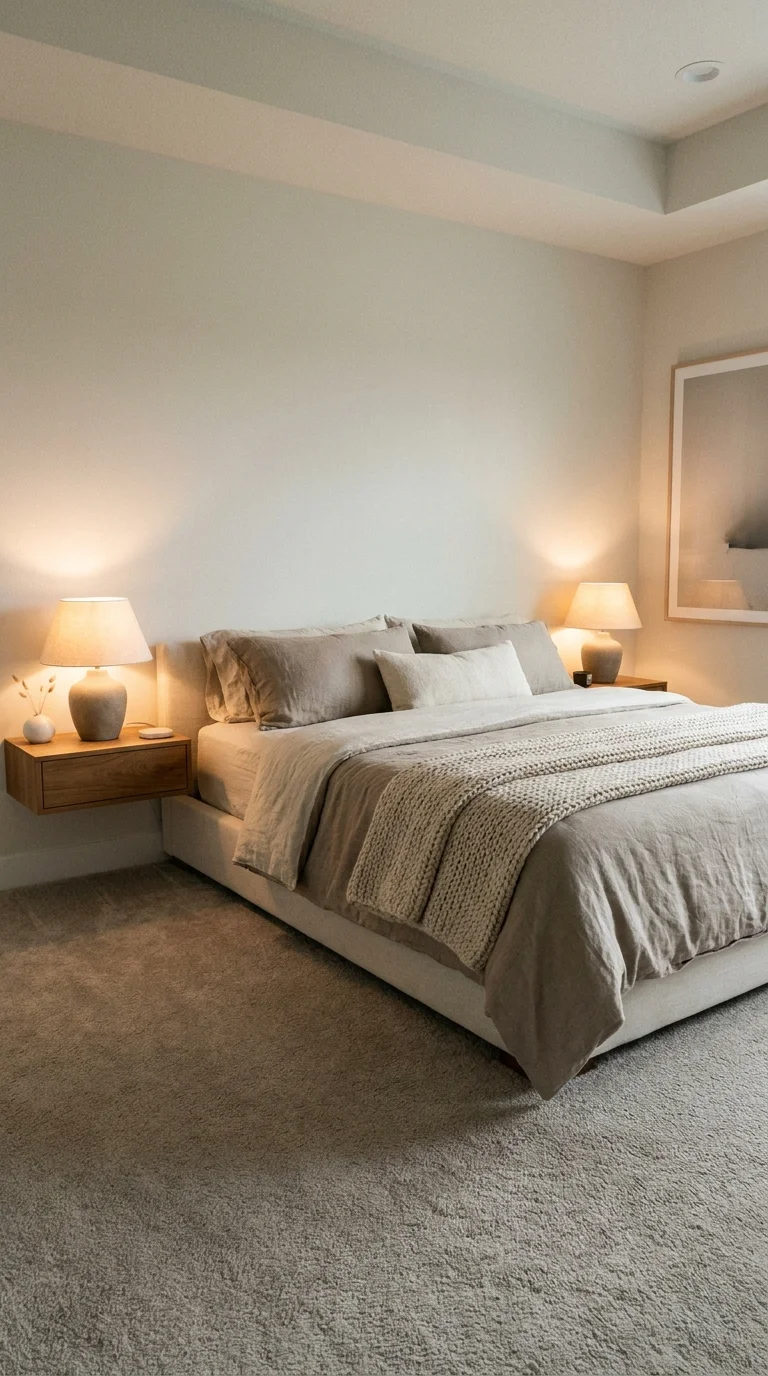
Karastan has been around since 1928, and they know how to make carpet look elevated without the price going through the roof. The Elements line is their more accessible range, and it shows in price but not in style. These carpets look more expensive than they are — which, honestly, is exactly what you want.
The pile density is noticeably better than budget options, and nylon fiber means you get good resilience. Furniture legs won’t leave permanent dents the way they sometimes do with polyester. The color palette leans more sophisticated — lots of greiges, warm taupes, and subtle patterns that photograph beautifully for anyone redoing a bedroom and plans to share it on social.
Best for: Master bedrooms, design-conscious spaces.
Approximate cost: $2.20–$3.20/sq ft.
“The biggest mistake I made? Picking carpet from a photo on a screen without ordering a sample first. The color in person was completely different. Always get samples.”
Pick #6: Stainmaster PetProtect — Mid-Tier Version

- Mid-Range
- Nylon
- Pet Friendly
Stainmaster is probably the most recognized carpet brand in America, and the PetProtect line earns that recognition. Unlike the budget version, this mid-range option uses actual nylon fibers, which are significantly more durable and resilient than polyester alternatives.
The odor-blocking technology in this carpet is genuinely different from what you find in cheaper options — there’s an antimicrobial treatment throughout the fiber, not just the backing. If you have a dog that sleeps in the bedroom (no judgment — mine does too), this is really worth the upgrade from budget options.
One thing I’ll say: the mid-range PetProtect comes in a better variety of styles than the entry-level. There’s a “Soft Twist” variant that’s particularly lovely — almost looks like a higher-end product in person.
Best for: Pet owners wanting durability and softness.
Approximate cost: $2.10–$3.00/sq ft. Sold at Lowe’s and carpet specialty stores.
Pick #7: Anderson Tuftex — The Underrated Gem

- Mid-Range
- Nylon
- Designer Feel
Anderson Tuftex doesn’t get talked about as much as Shaw or Mohawk, which is a shame because their mid-range products are genuinely excellent. They’re a Shaw subsidiary, which means the production quality is there, but the aesthetic is more design-forward than Shaw’s mainstream lines.
Their “After All” and “Soiree” styles within this price range have a texture that looks almost handcrafted. If you’re going for a boutique hotel aesthetic in your master bedroom — soft, neutral, subtly luxurious — these are worth exploring. I spotted these at a design showroom and actually said out loud, “Wait, how much?” because they looked like they should cost twice as much.
Best for: Style-focused bedrooms, master suites.
Approximate cost: $2.50–$3.40/sq ft. Available through carpet specialty dealers.
Upper Mid-Range Picks — $3.50 to $6 per Square Foot
Once you move into this range, you’re really starting to feel the difference in quality. Pile density goes up noticeably, fibers get better, and the color and style options become genuinely impressive. This is where I’d put serious bedrooms — master suites, homes you’re not planning to move out of anytime soon.
Pick #8: Shaw Caress — Buttery Soft and Worth It

- Upper Mid
- Polyester
- Ultra Soft
Shaw’s Caress line exists purely to be as soft as possible, and they succeed. This is the carpet you step on and immediately think, “Oh, that’s why people like carpet.” The texture is borderline ridiculous — it feels like stepping onto a cloud at 6 AM, and for a master bedroom, I cannot overstate how much that matters.
The caveat with ultra-soft polyester is durability. These fibers mat down more over time than nylon, especially in high-traffic paths (like the route from your side of the bed to the bathroom). The trick is going thicker on the pad to compensate. I’d pair this with a 10-pound rebond pad minimum.
But honestly? For a bedroom that sees mostly light foot traffic, the softness trade-off is completely worth it. This is a bedroom luxury, not a hallway carpet.
Best for: Master bedrooms, comfort-first spaces.
Approximate cost: $3.60–$4.80/sq ft.
Pick #9: Mohawk RevWood Plus — A Hybrid Surprise

- Upper Mid
- Hybrid
- Modern
Okay, this one is technically a rigid-core plank floor with a textile surface layer — so it’s not a traditional “carpet” in the roll sense. But I’m including it because several people I know have used it in bedrooms and loved the result: the warmth and texture of carpet with the easier maintenance of a hard floor.
It’s particularly brilliant for people who love the look of carpet but hate the idea of dealing with spills soaking in. The surface repels liquids, it’s dimensionally stable, and it floats over uneven subfloors with ease. If you have kids who migrate to your bedroom constantly and you’re tired of cleaning mystery stains, this hybrid approach is worth seriously considering.
Best for: Modern bedrooms, easy-maintenance households.
Approximate cost: $4.00–$5.50/sq ft.
Pick #10: Tuftex Kensington — Old-World Charm, New-World
Performance
- Upper Mid
- Nylon
- Pattern
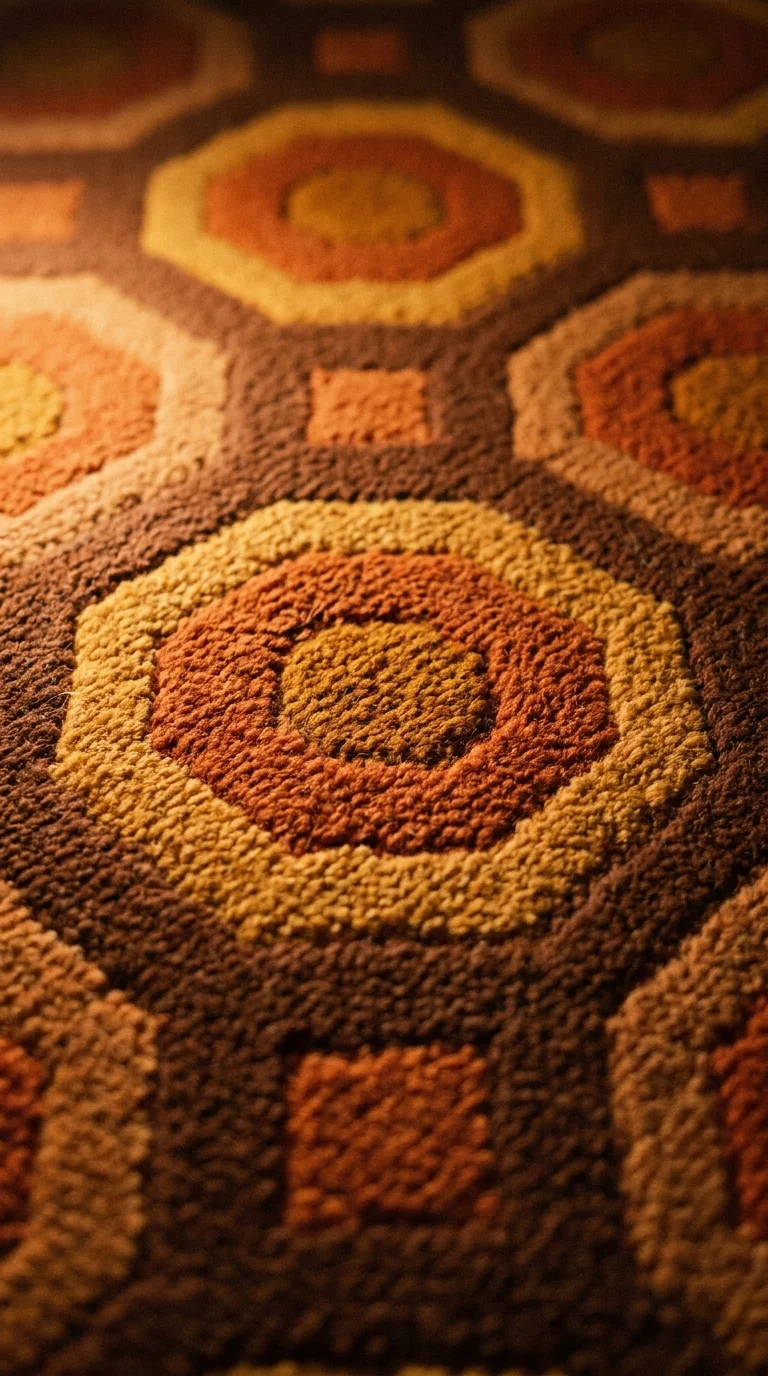
If you want something with actual design character — not just “soft grey carpet” but a bedroom floor that has presence — the Kensington is remarkable. It has a subtle geometric pattern woven into the pile that becomes more visible when light hits it from certain angles. Very elegant, very intentional looking.
It’s a solution-dyed nylon, meaning the color goes all the way through the fiber instead of being a surface coating. That makes it both fade-resistant and genuinely durable — this is one of those carpets that should still look good a decade from now if you maintain it reasonably.
Best for: Design-focused master bedrooms, traditional homes.
Approximate cost: $4.50–$5.80/sq ft.
Luxury Picks — $6 and Above per Square Foot
I’ll be honest — I spent a long time talking myself out of the luxury carpet purchase. It felt excessive. Then I walked into my master bedroom one morning after we’d installed it and just stood there for a moment. It was worth it. Here’s what’s in this tier and why it’s different.
Pick #11: Prestige Mills Grantham Wool — The One I Splurged On

- Luxury
- 100% Wool
- Natural Fiber
Real talk: this is the carpet in my master bedroom, and I think about it more than an adult probably should. Prestige Mills makes high-end wool carpets that feel fundamentally different from synthetics — there’s a springiness and warmth to natural wool that you cannot replicate with polyester or nylon, no matter how well they’re made.
Wool is naturally temperature-regulating (warm in winter, not hot in summer), naturally stain-resistant to water-based spills, and it doesn’t generate static electricity. It also wears beautifully — rather than looking shabby after years of use, quality wool carpets develop a kind of patina.
The downsides are real: it’s expensive, it can be vulnerable to oil-based stains (think face creams and hair products near the bed), and it cannot be steam-cleaned. You need professional wool cleaning services. But for a master bedroom, where traffic is light and I’m careful? I would make this choice again without hesitation.
Best for: Master bedrooms, long-term homes.
Approximate cost: $7.00–$12.00/sq ft. Available through interior design showrooms and specialty carpet retailers.
Pick #12: Fibreworks Custom Seagrass Blend — Textured, Natural, Stunning

- Luxury
- Natural Blend
- Designer
This one is for people who want a bedroom that looks like it came out of an architectural digest spread. Fibreworks does custom natural fiber carpets — seagrass, sisal, jute, and blends — and the texture and visual depth you get is genuinely incomparable to synthetic options.
I’ll be transparent: I haven’t personally installed this one, but I’ve been in two homes that had it, and both times I immediately crouched down to look at it more closely. The way light moves across the woven texture is beautiful. It has a warmth that feels distinctly handcrafted.
Natural seagrass is actually quite durable and has inherent moisture resistance (it grows in water, after all). The main limitation is that it’s not the softest underfoot — it’s more textural than plush. If you’re choosing between luxurious softness and luxurious aesthetics, the Prestige Mills wool wins on softness; this one wins on visual impact.
Best for: Design-forward bedrooms, coastal or organic aesthetics.
Approximate cost: $8.00–$15.00/sq ft. Custom order through interior designers or Fibreworks directly.
All 12 Picks at a Glance
| # | Carpet | Tier | Fiber | Best For | Approx. Price |
|---|---|---|---|---|---|
| 1 | TrafficMaster Hobnail Berber | Budget | Olefin | Kids, rentals | $0.89–$1.20 |
| 2 | Shaw Floors Essentials | Budget | Polyester | Guest rooms | $1.10–$1.45 |
| 3 | LifeProof Pet Proof | Budget | Polyester | Pet owners | $1.15–$1.49 |
| 4 | Mohawk SmartStrand | Mid | Triexta | Most bedrooms | $1.80–$2.90 |
| 5 | Karastan Elements | Mid | Nylon | Style-first | $2.20–$3.20 |
| 6 | Stainmaster PetProtect | Mid | Nylon | Pets + durability | $2.10–$3.00 |
| 7 | Anderson Tuftex | Mid | Nylon | Designer aesthetic | $2.50–$3.40 |
| 8 | Shaw Caress | Upper Mid | Polyester | Comfort seekers | $3.60–$4.80 |
| 9 | Mohawk RevWood Plus | Upper Mid | Hybrid | Modern, easy care | $4.00–$5.50 |
| 10 | Tuftex Kensington | Upper Mid | Nylon | Elegant bedrooms | $4.50–$5.80 |
| 11 | Prestige Mills Grantham Wool | Luxury | 100% Wool | Master suites | $7.00–$12.00 |
| 12 | Fibreworks Seagrass Blend | Luxury | Natural Blend | Design statement | $8.00–$15.00 |
How to Actually Choose the Right One for Your Bedroom?
Before you pick a number from that list, run through these questions honestly. I came up with these after redoing three bedrooms and wishing someone had made me answer them first.
Who uses the room and how hard?
A master bedroom used by two careful adults is completely different from a kid’s room with friends sleeping over on weekends. Kids’ rooms need durability and stain resistance first. Adult master bedrooms can prioritize comfort and aesthetics.
Do you have pets?
If yes, moisture barrier backing is non-negotiable — not just stain resistance. Pet accidents that get into the pad and subfloor will cause permanent odor problems that no cleaning can fix. Budget accordingly.
How long are you staying in this home?
If you’re planning to sell in two years, spend less and pick neutral tones. If this is your home for the next decade, invest properly — the per-year cost of good carpet is actually lower than replacing cheap carpet every few years.
Order samples before committing.
Order at least 3–5 samples, lay them on your actual bedroom floor, look at them in morning light, afternoon light, and artificial evening light. The way a carpet looks changes dramatically in different lighting. This step alone will save you from expensive regrets.
Calculate the total cost, including pad and installation.
The carpet price per square foot is only part of the budget. Add pad cost (good pad runs $0.50–$1.00/sq ft), installation ($0.50–$1.50/sq ft), and furniture moving fees if applicable. Your actual all-in cost will be 2–3x the carpet material price.
Ask about warranties specifically.
Not all warranties are equal. Some cover only manufacturing defects. Others cover staining and crushing for 10+ years. For anything in the mid-range and above, make sure you understand what’s actually covered and for how long — and keep your receipt.
Common Mistakes to Avoid (Learned the Hard Way)
I made most of these myself, so consider this the guide I wish I’d had before I started rolling out carpet in three bedrooms back-to-back.
- Skimping on the pad. The pad is not optional or an upsell. It determines how your carpet feels, how long it lasts, and whether your floor has any sound insulation. A cheap pad ruins good carpet. Budget at least $0.60–$0.80/sq ft for a proper 8-pound rebond minimum — go 10-pound for ultra-soft carpets.
- Choosing color from a screen or a small sample. I picked a “warm sand” color from a tiny chip and ended up with what I can only describe as “hospital corridor beige” in my daughter’s room. Always order the largest sample you can get, and view it in the actual room you’re carpeting. Colors look completely different depending on your walls, windows, and lighting.
- Buying carpet before measuring properly. Always add 10% overage to your square footage calculation, plus extra for doorways and closets. Running short on a carpet job means a very expensive seam or — worse — having to order more from a different dye lot, which can look subtly different.
- Ignoring pile direction. Cut-pile carpets have a direction, and if seams run in different directions, you’ll see a distinct line where they meet. A good installer knows this, but if you’re DIYing, lay all pieces with the pile going the same direction (toward the main window, traditionally).
- Not protecting the carpet during installation work. If you’re painting, staining trim, or doing any other work after carpet is installed, cover it. Completely. Every time. Paint drops are virtually impossible to remove from carpet without a trace. I learned this the second time, after the first time.
- Steam cleaning too soon after installation. Most carpet manufacturers recommend waiting at least 6 months before your first professional steam clean. Steam cleaning brand-new carpet can affect the backing adhesion. Read the warranty — this is often actually a warranty condition.
The biggest budget mistake I see: People buy mid-range carpet and then use a budget pad to “save money.” The carpet immediately feels worse than it should. The pad is part of the system — don’t undermine a $2.50/sq ft carpet with a $0.30/sq ft pad. You’ll think the carpet is bad when the pad is the problem.
Keeping Your Bedroom Carpet Looking Good Longer
The carpet picks above will last very differently depending on how well you maintain them. These aren’t complicated tips — just things that make a real difference over time.
Vacuum more than you think you need to. Loose soil that sits in carpet fibers acts as an abrasive, slowly cutting the fibers every time you walk over it. Regular vacuuming — once a week minimum for bedroom carpet — prevents that abrasive action and keeps fibers looking newer longer. For ultra-soft polyester like the Shaw Caress, vacuum in multiple directions to prevent matting.
Deal with spills immediately and from the outside in. When something spills, blot — never rub. Rubbing spreads the stain and pushes it deeper into the fiber. Work from the edges of the spill toward the center. Cold water works for most spills. Club soda is not a myth — the carbonation does help lift stains from synthetic carpets.
Use furniture coasters or cups under heavy legs. Heavy furniture legs create permanent compression dents over time, especially on polyester and lower-density carpets. Those plastic furniture cups that sit under the legs distribute the weight. They cost about $5 for a set of four and genuinely prevent damage.
Schedule professional cleaning every 12–18 months. Not just because it looks better — manufacturers often require it to maintain warranty coverage. Hot-water extraction (what most people call steam cleaning) is the recommended method for most residential carpet. Dry cleaning is better for delicate natural fibers like wool. When in doubt, ask the carpet manufacturer directly.
Final Thoughts
Choosing bedroom carpet doesn’t have to be overwhelming. If you take nothing else from this guide, take this: buy the best carpet you can afford for the room, spend properly on the pad, and order samples before you commit to anything.
The right carpet makes your bedroom feel different — warmer, quieter, more like a place you actually want to be in. That’s not a small thing. After redoing three bedrooms, I can tell you the rooms with good carpet feel noticeably better to wake up in, every single morning.
Whatever your budget, there’s something on this list that will serve you well. Start with the samples, trust what you feel underfoot more than what you see in a photo, and don’t let anyone talk you into skipping the pad.

Shahid Nawaz is a home and garden content writer at Garden Skillz with over 4 years of experience researching and writing about gardening, plant care, and DIY home improvement. He specializes in turning complex horticultural topics into practical, easy-to-follow guides for beginners and experienced growers alike. Shahid has written extensively on flowering plants, indoor greenery, and seasonal garden care.